Top 10 Types of White Vinyl Windows for Buyers
Choosing white vinyl windows is not only a color decision. The window’s shape, opening style, glass package, and frame construction all affect how it works in your home. A double-hung window, for example, opens differently from a casement, while a picture window offers a clear view but does not provide ventilation. Small details matter. Think about a crowded kitchen counter, a narrow hallway, or a bedroom where fresh air is important.
This guide introduces ten common types of white vinyl windows, from sliding and awning styles to bay, bow, and specialty shapes. Each option has practical strengths and trade-offs. Compare how much space it needs to open, how easily you can clean it, and whether its dimensions suit the existing opening. Look for clear product information on glazing, performance ratings, installation requirements, and warranty coverage. These details vary by manufacturer, so one product’s features should not be assumed for another. There is no perfect pick. A window that looks right in a catalog may feel awkward in a real room, and I may be overthinking the finish when operation matters more. Use the comparisons ahead to narrow your choices, then confirm measurements and specifications with a qualified installer before buying.
What White Vinyl Windows Are and How They Are Made
White vinyl windows use rigid polyvinyl chloride (PVC) profiles to hold the glass and hardware. Manufacturers heat PVC compound and push it through shaped dies, creating hollow sections with internal chambers. The profiles are cooled, cut, and joined, often with heat-fused corners. White pigment and weather-resistant additives are blended into the compound, though recipes vary. Small details matter. Multi-chamber profiles can slow heat transfer, but frame design alone does not determine a window’s efficiency.
The U.S. Department of Energy’s Energy Saver guidance estimates that windows account for about 25–30% of residential heating and cooling energy use. That broad estimate reflects many factors, including glazing, seals, installation, and climate—not just frame color. Insulated glass units typically hold two panes around a sealed space, while weatherstripping helps limit drafts at the sash. Completed windows can be rated for air leakage, water penetration, and structural performance under the AAMA/WDMA/CSA 101/I.S.2/A440 standard. Check the product’s performance labels and installation details. I would not treat “white” as a performance rating; it describes appearance, not energy savings.
How White Vinyl Windows Are Classified by Design and Operation
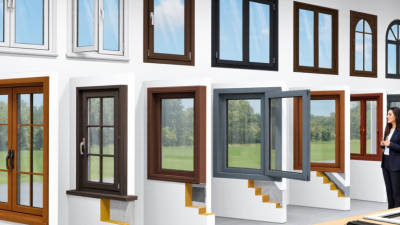
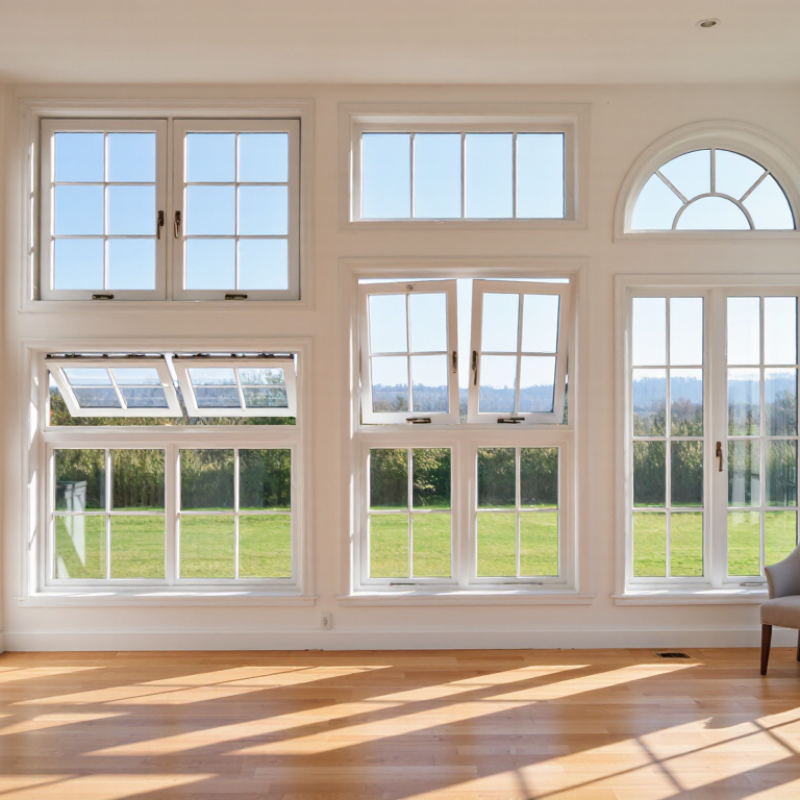
White vinyl windows are best classified by how their sashes move and how the frame is arranged. Single-hung and double-hung models slide vertically; only the lower sash moves in a single-hung unit. Sliding windows travel horizontally, while casement units crank outward on side hinges. Awning windows hinge at the top and open outward, helping shed light rain. Hopper windows tilt inward, often fitting compact basement openings. Fixed picture windows do not open, but can frame a clear view. Small differences matter. A handle’s position, screen access, and nearby furniture can change daily use.
Bay and bow windows describe projecting arrangements, not one specific opening mechanism. Their center or side sections may be fixed or operable. Garden windows extend outward to create a shallow shelf, while tilt-turn designs combine inward tilting with side-hinged opening. That distinction gets blurry in sales descriptions. Check the actual hardware and operation. The U.S. Department of Energy estimates that heat gain and loss through windows account for 25–30% of residential heating and cooling energy use. So compare each unit’s National Fenestration Rating Council label, especially its U-factor and solar heat gain coefficient. These ratings describe insulation and admitted solar heat; they do not tell you whether a window suits your room. A sunny west-facing room may need different glazing than a shaded bathroom. White frames look simple, but performance depends on more than color.
Ten Common Types of White Vinyl Windows for Buyers
White vinyl windows come in several familiar styles, each suited to different rooms and wall openings. Single-hung windows have a fixed upper sash and a lower sash that slides upward. Double-hung windows let both sashes move, which can make routine cleaning easier. Sliding windows open horizontally and work well where an outward-swinging sash would meet a deck or walkway. Casement windows crank open from the side, while awning windows hinge at the top and tilt outward. Small detail: check the handle clearance near curtains or cabinets.
Picture windows do not open, but their broad glass area brings in daylight and frames an unobstructed view. Bay windows project outward with a central window and angled sides; bow windows use a gentler curve of several units. Garden windows extend from the wall and can hold a few small plants, though their shelves need occasional cleaning. These are seven common options so far; the remaining styles include hopper, shaped, and combination windows. Hopper windows tilt inward from a bottom hinge and are often chosen for compact spaces.
Shaped windows, such as round or arched units, add a distinct outline but may be harder to fit with standard coverings. Combination windows join operating and fixed sections in one frame, allowing varied proportions. White frames suit many interiors, yet they are not automatically the best match for every home. Compare opening direction, glass area, ventilation, and frame dimensions before choosing. A measurement can look right on paper and still miss a trim detail, so verify the rough opening on site.
Where Each Window Type Works Best
White vinyl windows work best when their opening style matches the room, view, and ventilation needs. Single-hung and double-hung windows suit bedrooms and traditional façades; double-hung sashes tilt inward for easier cleaning. Sliding windows fit wide, low openings, while casement windows catch breezes beside a kitchen sink. Awning windows open outward and can admit air during light rain. Check the swing clearance first.
Picture windows frame unobstructed views in living rooms, but they do not open. Bay and bow windows add a projecting nook; they need enough exterior space and careful support. Garden windows bring light to kitchens and can hold small plants, though their shelves need occasional cleaning. Specialty-shaped windows fill gables or stairwells where standard rectangles look awkward. They often cost more and provide limited ventilation.
The U.S. Department of Energy reports that heat gain and loss through windows account for about 25%–30% of residential heating and cooling energy use. That makes glazing, installation, and air sealing important alongside window style. A well-placed casement may catch a useful cross-breeze, but only if the room layout allows it. There is no perfect pick. Measure twice, and reconsider any style that blocks furniture, a walkway, or a view you use every day.
Top 10 Types of White Vinyl Windows: Where Each Works Best
How to read the chart: Bars show the number of operable panels in a representative configuration, not a ventilation rating. Actual layouts vary by size and manufacturer.
Where they work best: Single- and double-hung windows suit bedrooms and traditional façades; sliders fit wide openings; casement and awning windows are useful where directed airflow matters. Hopper windows are common in basements, while picture windows suit view-focused spaces. Bay and bow windows add room-side space in living areas, and garden windows are often used above kitchen sinks for plants.
How to Compare Window Types for Your Home and Budget
Top 10 Types of White Vinyl Windows for Buyers
How to Compare Window Types for Your Home and Budget
White vinyl windows differ mainly in how they open and frame a room. Single-hung and double-hung styles suit many bedrooms; double-hung windows let both sashes move. Casement windows crank outward and can catch breezes, while sliders need less clearance beside patios. Awning windows open at the top, and fixed picture windows provide broad views without ventilation. Bay and bow units add depth, but their larger openings can increase material and installation costs.
Compare each style with your room, climate, and budget in mind. Check the glass package’s U-factor and solar heat gain rating for your region; lower numbers are not automatically better for every climate. Look for clear performance labels, and compare the complete quote, including removal, flashing, trim, and disposal. Small details matter. A cheaper window may cost more if installation requires extra repairs. It is easy to focus on the frame color and overlook hardware, screen access, or how the sash will be cleaned. That deserves a second look.
Tips: Measure each opening, then ask whether the quote covers installation and cleanup. Compare similar glass options across estimates. Check the whole quote. A quick price comparison can mislead when one estimate includes better glazing or more careful sealing.