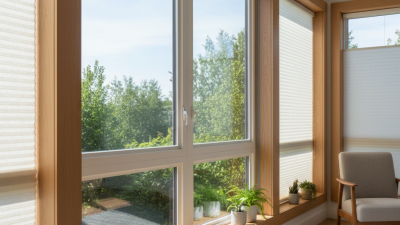
Top 10 Vinyl Window Manufacturers for Global Buyers
Choosing a vinyl window supplier involves more than comparing catalog prices. Performance depends on frame design, glazing options, hardware, and the quality of installation support. A window that works well in a mild coastal climate may not suit a region with freezing winters or intense sun.
This guide introduces ten manufacturers for global buyers exploring vinyl windows. It considers practical factors such as product range, customization, published performance information, warranty terms, and export capabilities. Buyers should also check which models are available in their market. Product specifications and certifications can differ by country, even within one manufacturer’s lineup.
Details matter. Look closely at welded frame corners, weatherstripping, drainage paths, and how securely the sash closes. Ask for documented air, water, and structural performance where those tests are relevant to your project. Confirm lead times, replacement-part access, packaging, and technical assistance before placing a large order. A polished brochure is not enough.
No single company is best for every project. Some buyers prioritize energy performance; others need distinctive sizes, reliable delivery, or straightforward maintenance. The comparisons ahead offer a starting point, not a substitute for reviewing local requirements and project specifications. That distinction is easy to overlook. It is also worth reflecting on whether a lower purchase price remains attractive after shipping, installation, and long-term service are considered.
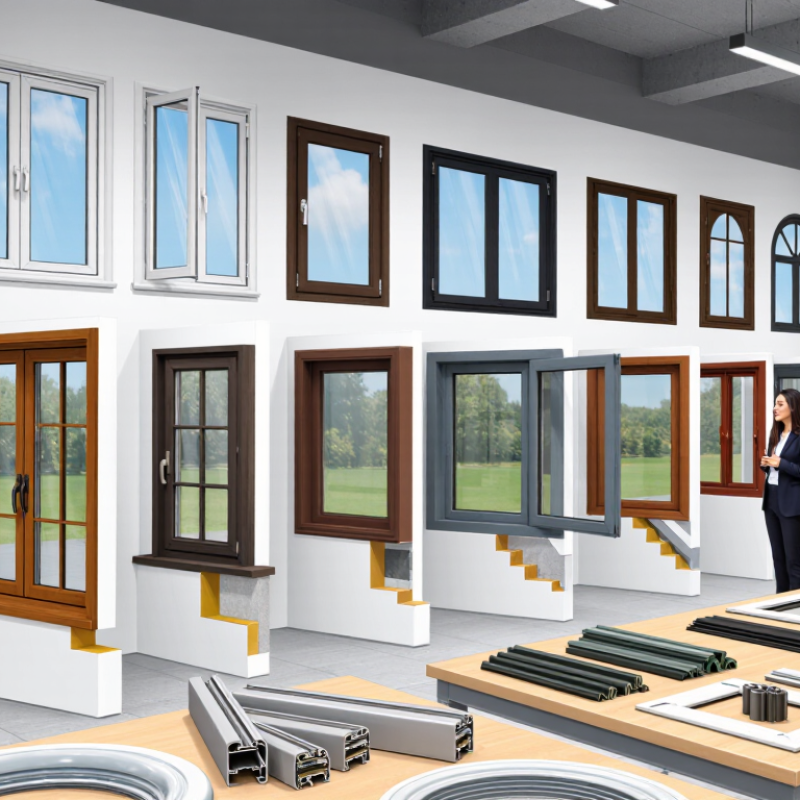
What Vinyl Windows Are and How They Are Made
Vinyl windows use rigid polyvinyl chloride, commonly called PVC, for their frames and sashes. They are valued for low maintenance, moisture resistance, and thermal performance, though results depend on design and installation. Inside a frame, hollow chambers and internal ribs add stiffness while limiting heat transfer. Some profiles include reinforcement, especially for larger openings or demanding wind conditions. Vinyl is not maintenance-free in every sense: seals, drainage paths, and moving hardware still need inspection. Small details matter.
Manufacturing often starts with PVC resin blended with stabilizers, pigments, and impact modifiers. The mixture is heated and pushed through a shaped extrusion die to form long frame profiles. After cooling, profiles are cut to size and joined, commonly by heat-welding their corners. Glass units are assembled separately, then fitted with gaskets, spacers, and glazing materials. Hardware and weatherstripping are added before checks for dimensions, drainage, smooth operation, and visible defects. Still, a clean-looking weld alone cannot prove long-term performance. This is worth remembering.
How to Evaluate Vinyl Window Manufacturers for Global Projects
Choosing among the top vinyl window manufacturers for a global project takes more than comparing catalog prices. Start with the project’s climate, building design, and installation conditions. Ask for documented performance data, including air leakage, water resistance, and thermal ratings. Check that test reports match the exact frame and glass configuration you plan to order. A report for a similar product is not always enough. Small detail, big difference.
Evaluate production consistency as carefully as product specifications. Ask how the manufacturer controls frame dimensions, weld quality, hardware fit, and finish across repeat orders. Request sample units and inspect corners, drainage paths, seals, and operating ease. Confirm packaging protects glass and frames during long-distance shipping. Clarify lead times, replacement-part availability, and who handles technical questions across time zones. On paper, suppliers can look remarkably similar. Real communication may not be.
Tips: Share drawings, quantities, destination, and performance needs before requesting a quotation. Ask for a written quality-control process and references for comparable projects. Compare landed costs, not just factory prices. One point buyers sometimes overlook is installation support; a well-made window can still underperform when site details are unclear. Be ready to revise your checklist as questions arise.
These suggested weights provide a practical framework for evaluating vinyl window manufacturers for global projects. They represent buyer priorities—not company rankings or measured market data—and can be adjusted to fit project requirements.
Ten Vinyl Window Manufacturers Serving International Buyers
International buyers comparing vinyl window manufacturers need more than a polished catalog. Check frame profiles, reinforcement, drainage paths, glazing options, and documented performance data. Ask whether stated thermal and air-leakage results apply to the exact configuration being quoted. Small changes in glass thickness or hardware can affect the finished unit.
A capable export supplier should explain packing, labeling, lead times, replacement parts, and installation guidance clearly. Confirm how products are tested, which standards are referenced, and whether records are available before ordering. Request a sample corner or operating sash; inspect the welds, seals, and locking action by hand. Freight damage and unclear responsibilities can erase a low factory price. Ten suppliers may look similar online, yet communication quality often reveals practical differences. A spreadsheet helps, but it cannot show every production habit. That judgment still needs checking.
Tips: Compare equivalent configurations, not headline prices. Request written tolerances, packing photos, and a clear contact for claims. Keep one detail open: local installers may spot fit issues that factory drawings miss.
How the Manufacturers Compare in Products and Capabilities
Vinyl window manufacturers vary in more than frame color and price. Their product ranges may include single-hung, sliding, casement, and tilt-turn designs, but availability differs by facility. Compare frame depth, glazing options, reinforcement, and hardware—not just catalog photos. A sample corner can reveal weld quality and finish consistency. Small details matter.
Production capabilities shape what buyers can actually order. Some manufacturers handle custom dimensions and multiple profile systems; others focus on repeatable standard sizes. Ask about tooling lead times, minimum order quantities, quality checks, and protective packaging. For large projects, confirm how replacement parts are handled. A polished brochure cannot answer that.
Performance claims also need context. Request current test reports for the exact window configuration, including glass, frame, and hardware. Results from one model may not apply to another. Check how the manufacturer manages dimensional tolerances and batch consistency, especially when orders ship in stages. This is easy to overlook. One honest limitation: comparisons are difficult when suppliers use different test methods or provide incomplete data. A written specification helps buyers judge products on equal terms.
What Global Buyers Should Check Before Placing an Order
Before placing an order, compare performance data for the exact window configuration—not just the product line. The U.S. Department of Energy’s Energy Saver guidance estimates that heat gain and loss through windows account for 25%–30% of residential heating and cooling energy use. That figure reflects U.S. homes, not every climate. Still, it shows why buyers should check verified U-factor, solar heat gain coefficient, and air-leakage ratings. Ask for test reports covering the specified frame, glazing, hardware, and size. A rating for a different configuration may not apply. Details matter.
Inspect samples for smooth welds, even frame corners, secure weatherstripping, and clear drainage channels. Request evidence of performance testing against recognized fenestration standards, such as AAMA/WDMA/CSA 101/I.S.2/A440, and confirm which product sizes were tested. Check the glass specification, UV-resistance information, warranty exclusions, packaging method, and replacement-part availability. For shipments, agree on inspection steps and remedies for cracked glass or warped frames before production begins. I would still ask twice. A polished sample can hide weak packaging or inconsistent batch quality, and a missed detail can cost more than a small price difference.