Is WPC Classic Decking the Best Choice for Your Project?
When considering outdoor decking options, many homeowners face the dilemma of choosing the right material. One popular choice is WPC Classic Decking. This composite material combines wood fibers with plastic, offering a balance of durability and aesthetics. With its resistance to moisture and insects, it can provide a long-lasting solution for various projects.
However, not everything about WPC Classic Decking is perfect. Some users report fading over time, especially in harsh sunlight. Others worry about the initial cost, which can be higher than traditional wood. These concerns raise important questions about the material's overall value.
Despite these issues, many find the benefits outweigh the drawbacks. WPC Classic Decking is available in multiple colors and styles, making it adaptable for different design needs. Its low maintenance requirements also attract busy homeowners. Understanding these nuances can help you make an informed decision for your decking project.
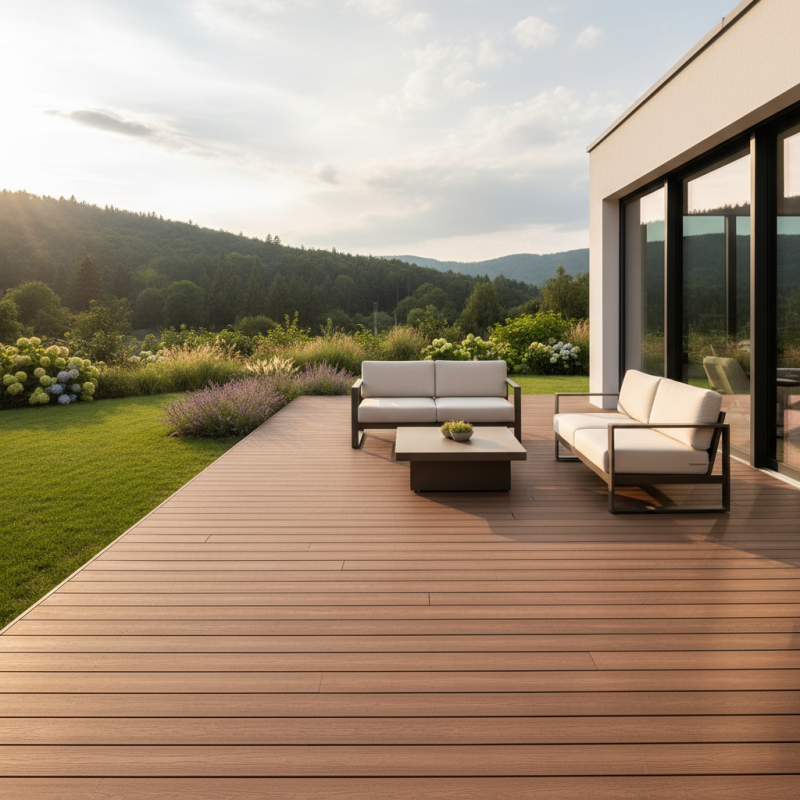
Overview of WPC Classic Decking and Its Composition
WPC (Wood Plastic Composite) Classic Decking offers a unique combination of wood fibers and plastic materials. This innovative blend provides enhanced durability and weather resistance. According to industry reports, WPC decking is gaining traction due to its low maintenance requirements, appealing to both homeowners and builders.
The composition of WPC Classic Decking generally includes 60% wood fiber, 30% recycled plastic, and 10% additives. These materials work together to create a product that resists mold, warping, and splintering. One study indicated that WPC decking maintains its appearance longer than traditional wood, reducing the need for frequent replacements. Yet, it is essential to consider that while WPC is less likely to fade, extreme conditions can still affect its color and texture.
Despite its advantages, WPC decking can be susceptible to scratching and may not be suitable for all climates. Some users have reported staining issues, particularly from spills. While WPC Classic Decking presents a compelling option for many projects, it's crucial to weigh these considerations carefully. The balance between aesthetics and performance is fundamental in choosing the right material for your decking needs.
Comparative Analysis: WPC Classic Decking vs. Traditional Materials
When considering decking materials, WPC (Wood-Plastic Composite) Classic Decking presents several advantages over traditional wood and plastic options. Research indicates that WPC decking exhibits a lifespan of 25 to 30 years, whereas untreated wood typically lasts only 10 to 15 years. This longevity is critical for homeowners seeking durability and minimal maintenance.
Moreover, WPC decking is resistant to moisture, insects, and rot. According to industry reports, up to 40% of traditional wood decks suffer from decay within the first decade of installation. This is especially problematic in regions with high humidity or extensive rainfall. Homeowners often find themselves replacing damaged boards frequently, leading to higher long-term costs.
Despite its benefits, WPC decking does come with some drawbacks. Initial costs can be higher compared to traditional wood. Budgets might be stretched, particularly for larger installations. Additionally, the appearance can sometimes fall short of natural wood's aesthetic appeal. This compromise between durability and aesthetics is worth contemplating. In the end, choosing the right decking material requires careful analysis of both immediate costs and long-term performance.
WPC Classic Decking vs. Traditional Materials
This chart compares the performance factors of WPC Classic Decking and common traditional materials.
Advantages of Using WPC Classic Decking for Outdoor Projects
WPC Classic decking offers several advantages for outdoor projects. This material is known for its durability and resistance to the elements. Unlike traditional wood, WPC is not prone to rotting or splintering. This means fewer maintenance issues over time. Homeowners can enjoy their outdoor spaces without constantly worrying about repairs.
Another key benefit is its eco-friendliness. WPC is made from recycled materials, reducing the demand for new timber. This approach minimizes deforestation. Additionally, the composite nature of WPC reduces the likelihood of paint or stain chemicals leaching into the environment. Yet, potential buyers should remember that not all WPC decks are created equally. Quality can vary based on manufacturing processes and materials used.
Aesthetic versatility is also a consideration. WPC Classic decking is available in various colors and textures. This means you can create a custom look for your patio or deck. However, it is crucial to choose the right installation method. Poor installation can lead to issues like warping or uneven surfaces. It’s essential to consult with knowledgeable professionals to ensure the best outcome.
Potential Drawbacks and Considerations When Choosing WPC Classic Decking
When considering WPC Classic Decking for your project, it is essential to weigh potential drawbacks. One key aspect is its susceptibility to fading. Data shows that WPC materials may lose color faster than traditional wood, especially in direct sunlight. Homeowners should be prepared for possible discoloration over time, requiring maintenance to retain the desired look.
Another concern is the weight of WPC decking. While it can offer durability, the increased weight can complicate installation. In some cases, additional structural support may be needed. This could increase overall project costs and time, which can surprise many DIY enthusiasts.
Costs can also be a drawback. While WPC Classic Decking can be more affordable than real wood initially, it often does not match the lifespan of high-quality wood products. A study noted that while WPC may resist rot, it can be prone to scratches and dents, leading to additional repair costs. Practically, buyers should think critically about their long-term goals and whether WPC decking truly aligns with them.
Tips for Installation and Maintenance of WPC Classic Decking
Installing WPC Classic Decking requires careful attention to detail. Begin by ensuring that your foundation is stable. A well-prepared base prevents issues like warping or shifting. Consider using a level to check the surface. The deck must be slightly sloped to allow for drainage. Gathering the right tools is crucial too. A saw, drill, and measuring tape are essentials to keep handy.
Maintenance of WPC Classic Decking is straightforward yet vital. Regular cleaning helps maintain its appearance. Use mild soap and water for surface dirt. Avoid harsh chemicals that can degrade the material. Be mindful of debris, especially leaves, as they can cause staining over time. Inspecting the deck periodically for signs of wear is key. Addressing minor issues promptly can prevent more significant problems later.
Reflecting on the installation process, it's common to encounter challenges. Aligning the boards perfectly can be tricky. Each cut should be precise, and double-checking measurements can save time. If mistakes occur, they can complicate the project. Embracing imperfections can lead to a valuable learning experience. Experience is the best teacher, and each project will improve your skills.
Is WPC Classic Decking the Best Choice for Your Project? - Tips for Installation and Maintenance of WPC Classic Decking
| Aspect | Details |
| Material Composition | Wood-plastic composite (WPC) consists of recycled wood fibers and plastic. |
| Durability | Resistant to rot, splintering, and insects. Can last up to 25 years with proper maintenance. |
| Installation Method | Can be installed using hidden fasteners or surface screws. Requires a sturdy frame. |
| Maintenance | Requires periodic cleaning with soap and water. Avoid using harsh chemicals. |
| Cost Comparison | Generally more expensive than traditional wood decking, but cheaper over time due to lower maintenance costs. |
| Environmental Impact | Made from recycled materials. More environmentally friendly compared to traditional wood decking. |
| Aesthetic Options | Available in various colors and textures to mimic natural wood. |