What Type of Kitchen Wall Panels Is Best?
Kitchen walls face more than occasional splashes. Steam gathers near the hob, oil marks the cooking zone, and grout can darken around a busy sink. Choosing Kitchen Wall Panels is therefore a practical decision about cleaning, moisture resistance, heat exposure, and appearance—not just colour.
Industry data shows how often these surfaces enter renovation plans. Houzz’s 2024 U.S. Kitchen Trends Study reports that 87% of renovating homeowners updated their backsplash. That figure highlights the wall’s importance, but it does not prove that one material suits every kitchen. A glossy panel may wipe clean quickly, yet show fingerprints under bright lights. Textured finishes can add warmth, though grease may settle in their grooves. Small details matter.
This guide compares common options, including glass, acrylic, laminate, and tile, against everyday kitchen conditions. We’ll consider installation, maintenance, durability, and the look each material creates behind counters and cooktops. Manufacturer specifications should always guide placement, especially near heat sources; product names alone cannot confirm safe use. Measure the wall, check substrate requirements, and inspect sample panels in your actual lighting. Even careful comparisons have limits: household habits and ventilation can change how a surface performs. The best Kitchen Wall Panels are the ones that fit your cooking routine, budget, and willingness to maintain them.
What Kitchen Wall Panels Are and Where They Are Used
What Type of Kitchen Wall Panels Is Best?
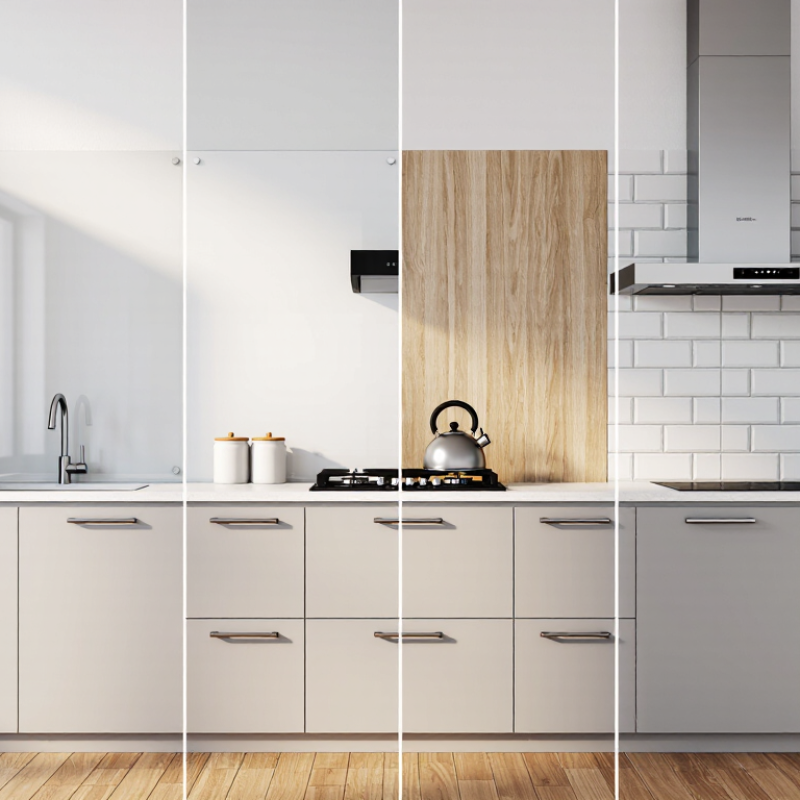
Kitchen wall panels are protective or decorative surfaces fixed over a wall, often in large sheets or tiles. Common options include ceramic, glass, compact laminate, and engineered stone. They are used most often as backsplashes behind sinks and counters, where splashes and cooking residue collect. Some also cover full walls or breakfast nooks for a continuous, easy-to-wipe finish. Behind a range, check the panel’s heat rating and installation guidance; not every material suits that spot. Houzz’s 2024 U.S. Houzz & Home Study reported a $24,000 median spend for kitchen remodels in 2023. That figure is not panel-specific, but it shows why durability and repair costs matter when choosing finishes. A glossy surface can brighten a dim corner, yet fingerprints may show more than expected.
Tips: Match the panel to the task. Check moisture, heat, and cleaning requirements before buying, and inspect seams near sinks. A sample viewed under your actual kitchen lighting can prevent a costly mismatch. The perfect panel is not always the easiest to live with.
What Type of Kitchen Wall Panels Is Best?
Kitchen wall panels protect walls from splashes and make surfaces easier to clean. The best material depends on where it will be used.
How to read this chart: Ratings are a qualitative guide from 1 (lower suitability) to 5 (higher suitability), not laboratory test results. Stainless steel and ceramic tile are versatile choices for splash-prone areas; check product specifications and required clearances before installing any panel near a hob.
Key Factors for Choosing Kitchen Wall Panels
Kitchen wall panels should match the work the wall actually faces. Near a sink, frequent splashes make water resistance and sealed joints important. Behind a hob, check the panel’s heat rating and required clearances; not every decorative surface is suitable. Small detail, big consequence. Ask for the installation instructions before buying.
Cleaning needs matter too. A smooth glass, acrylic, or compact laminate surface can be quick to wipe, while textured finishes may hold grease near cooking areas. Look closely at joins and edges. Water can find its way behind a poorly sealed seam. A sample under showroom lights may also look different beside your own cabinets, so view it at home if possible.
Check the existing wall before choosing a panel. It should be sound, dry, and reasonably flat, or extra preparation may be needed. Measure around sockets, corners, and cabinets; awkward cuts can affect both appearance and installation cost. Compare the full cost, including trims and fitting, not just the panel price. I might still choose a less seamless finish for easier replacement later. That trade-off is personal.
Common Materials Used for Kitchen Wall Panels
Kitchen wall panels come in several materials, each with different strengths. Ceramic and porcelain tiles handle heat and moisture well, and they offer many colors and surface textures. Their grout lines need regular cleaning, especially behind a cooktop. Glass panels create a smooth, wipeable surface and reflect light, but edges and fixing points require careful installation. Stainless steel resists moisture and suits busy cooking areas; fingerprints and scratches can show. Acrylic and laminate panels provide broad color choices and fewer seams, though their heat limits vary. Check the product’s rating before placing one near a hob.
Tips: Match the panel to the mess it will face. Wipe a sample with oil or tomato sauce, then check whether marks remain. Confirm heat-clearance requirements and use a suitable backing surface. Small checks help.
There is no perfect material. Tile may last for years, yet grout can feel like a chore. A seamless panel is easier to clean, but a damaged section may be harder to replace neatly. Consider the wall’s condition, cooking habits, and repair options—not appearance alone. Even a beautiful finish can disappoint if the surface behind it is uneven.
How Kitchen Wall Panel Types Compare in Durability and Upkeep
Kitchen wall panels face steam, cooking oil, splashes, and repeated wiping. Porcelain tile has a strong moisture advantage: the Tile Council of North America classifies porcelain as having water absorption of 0.5% or less, measured under ASTM C373. That makes it a practical choice behind a sink or hob. Its weak point is often the grout, which can collect grease and may need targeted scrubbing. Small tiles mean more grout lines.
That detail matters.
Large glass panels have fewer joints, so everyday splashes are usually quick to wipe away. Check the silicone seams, though; neglected edges can discolor or loosen. Natural stone offers varied texture, but the Natural Stone Institute’s care guidance notes that suitable maintenance depends on the stone and its finish. Some stones need periodic sealing, and acidic spills can etch susceptible surfaces. High-pressure laminate panels are also easy to wipe, but their seams and edges deserve attention where water gathers.
No surface is maintenance-free. The best fit depends on where water lands, how often you cook, and whether you will clean the joints. I’d weigh the grout before choosing tile; it is easy to overlook on a sample board.
How to Choose the Best Panels for Your Kitchen’s Needs
The best kitchen wall panel depends on where it will sit and how you cook. Behind a sink, choose a smooth, water-resistant surface with few seams, such as compact laminate or glass. Near a hob, check the panel’s heat rating and installation instructions; not every decorative panel is suitable there. Small details matter. A narrow gap beside the worktop can collect crumbs and moisture, even when the panel itself is easy to wipe.
Think about daily cleaning, too. Glossy surfaces show splashes quickly, while textured finishes can hold grease in their grooves. Stainless steel handles heat well and cleans readily, but fingerprints may become part of the routine. Looks aren’t everything. Measure around sockets and cabinets before ordering, and confirm that the wall is flat enough for the chosen system. A panel can conceal minor marks, but it won’t fix dampness or a loose surface. That distinction is easy to overlook. Compare the full installed cost, including trims, sealant, and fitting, rather than judging by panel price alone. If you cook often, practical cleaning and heat suitability may matter more than a dramatic finish.