Transforming Your Home: The Ultimate Guide to Choosing Twin Double Hung Windows for Energy Efficiency
When it comes to enhancing the energy efficiency of your home, one of the most impactful changes you can make is the installation of twin double hung windows. These versatile windows not only add to your residence but also play a crucial role in regulating temperature and reducing energy costs. Their unique design allows for both the top and bottom sashes to be opened, promoting optimal airflow and ventilation throughout your living spaces.
In this ultimate guide, we will dive deep into the specific features and benefits of twin double hung windows, helping you navigate the selection process to ensure that you choose the right windows for your home. From energy ratings to material options, this comprehensive resource is designed to empower homeowners with the knowledge needed to make informed decisions that contribute to a more sustainable and comfortable living environment.
Understanding the Importance of Energy Efficiency in Windows
When it comes to maximizing energy efficiency in your home, windows play a crucial role. According to the U.S. Department of Energy, up to 30% of a home's heating and cooling energy can be lost through inefficient windows. This underscores the importance of selecting the right window type, particularly twin double hung windows, which provide enhanced ventilation and can effectively reduce energy consumption.
Modern twin double hung windows are designed with energy efficiency in mind. The National Fenestration Rating Council (NFRC) provides a rating system that evaluates the energy performance of windows. Look for windows with a low U-factor, which measures the rate of heat transfer, and a high Solar Heat Gain Coefficient (SHGC) for optimal performance. The ENERGY STAR program identifies windows that meet stringent energy efficiency guidelines, advising homeowners to choose products with these certifications. By making informed window choices, homeowners can significantly decrease their energy bills and improve overall comfort within their living spaces.
Transforming Your Home: The Ultimate Guide to Choosing Twin Double Hung Windows for Energy Efficiency
| Window Feature |
Description |
Energy Efficiency Rating (U-factor) |
Estimated Energy Savings (%) |
| Low-E Glass |
Reflects heat and reduces UV rays entering the home |
0.25 |
30% |
| Argon Gas Fill |
Increases insulation by filling the gap between glass panes |
0.28 |
25% |
| Double Pane |
Two panes of glass for better insulation |
0.30 |
20% |
| Proper Sealing |
Prevents air leaks and improves energy efficiency |
0.25 |
20% |
| Fiberglass Frames |
More durable and better insulators than wood or vinyl |
0.24 |
15% |
Key Features to Look for in Twin Double Hung Windows
When selecting twin double hung windows for energy efficiency, several key features should be prioritized to enhance your home's insulation and reduce energy costs. Firstly, look for windows that come with high-quality frames, preferably made from vinyl or fiberglass, as these materials offer superior thermal performance and durability. Ensure that the windows are equipped with double or triple glazing, as these layers of glass create a barrier that minimizes heat loss and prevents drafts. This added insulation is crucial in maintaining a comfortable indoor environment throughout the changing seasons.
Another important feature to consider is the Low-E (low emissivity) coating on the glass. This specialized coating reflects thermal energy back into the home during colder months while deflecting excess heat away in the summer. Additionally, ensure that the windows have high-performance weather stripping and seals to further prevent air leakage. Finally, warranties and energy ratings, such as the Energy Star label, can provide reassurance of quality and performance, ensuring that your investment will contribute to long-term energy savings and environmental sustainability.
Energy Efficiency Ratings of Twin Double Hung Windows
Comparing Materials: Vinyl vs. Wood vs. Fiberglass for Your Windows
When it comes to enhancing the energy efficiency of your home with twin double hung windows, choosing the right material is crucial. Each of the three main window materials—vinyl, wood, and fiberglass—has its own set of advantages, and understanding these can help you make an informed decision.
Vinyl windows are known for their affordability and low maintenance requirements. They offer excellent insulation and are resistant to fading, making them a popular choice for many homeowners. However, they may not provide the same aesthetic appeal as wood. On the other hand, wood windows exude timeless beauty and can be customized to match your home’s decor. They offer great insulation but need regular maintenance to prevent rot and warping. Fiberglass windows bridge the gap between vinyl and wood by offering strength, durability, and energy efficiency, while requiring minimal upkeep.
Tip: When selecting window materials, consider your climate. Vinyl may perform exceptionally well in humid environments, while wood could be ideal for dry areas.
Tip: Always check for energy efficiency ratings and certifications, such as ENERGY STAR, to ensure your windows will perform effectively. Taking the time to compare these materials can make a significant difference in both your home's comfort and in reducing energy bills.
Installation Tips for Enhancing Energy Performance
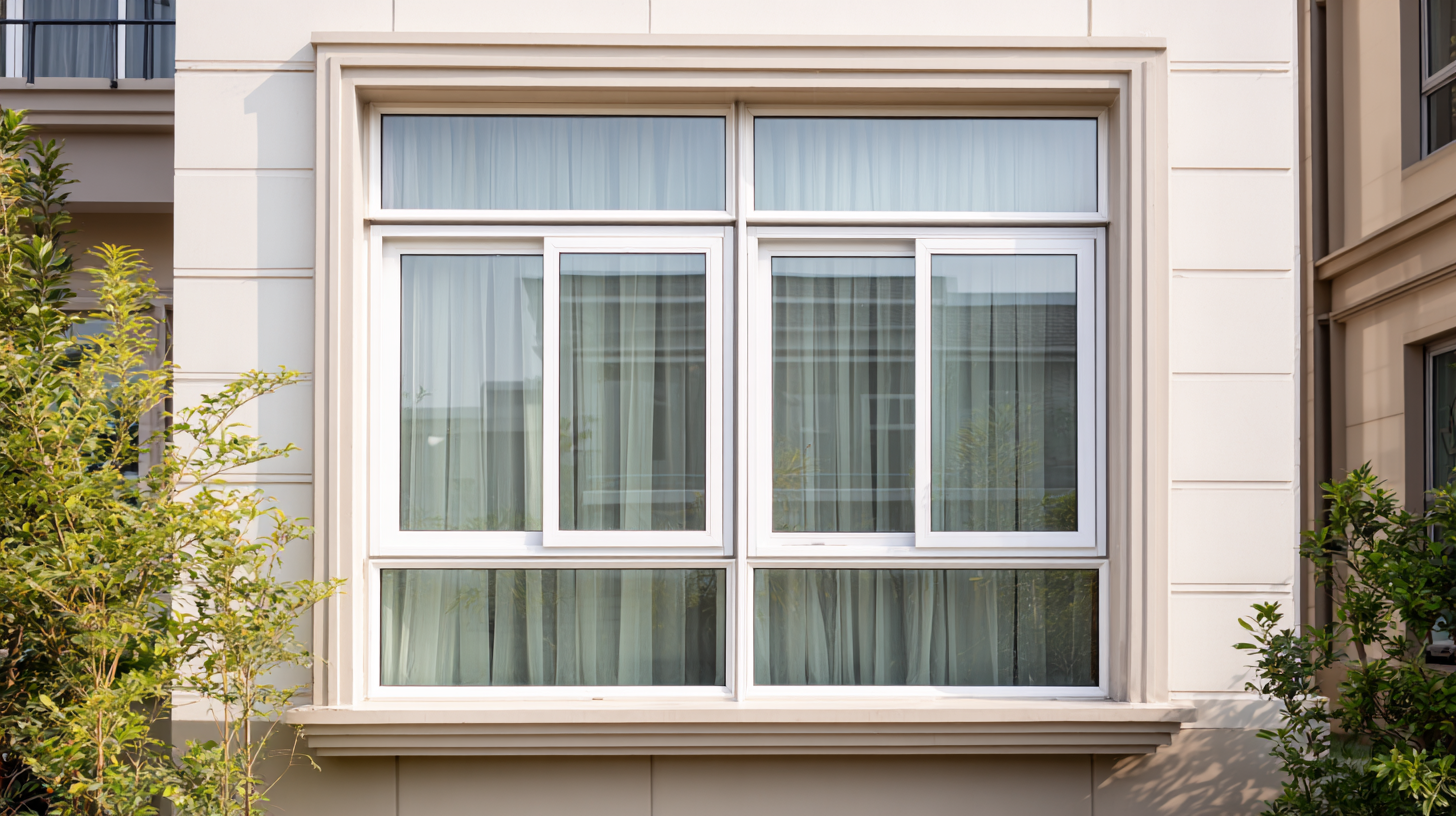
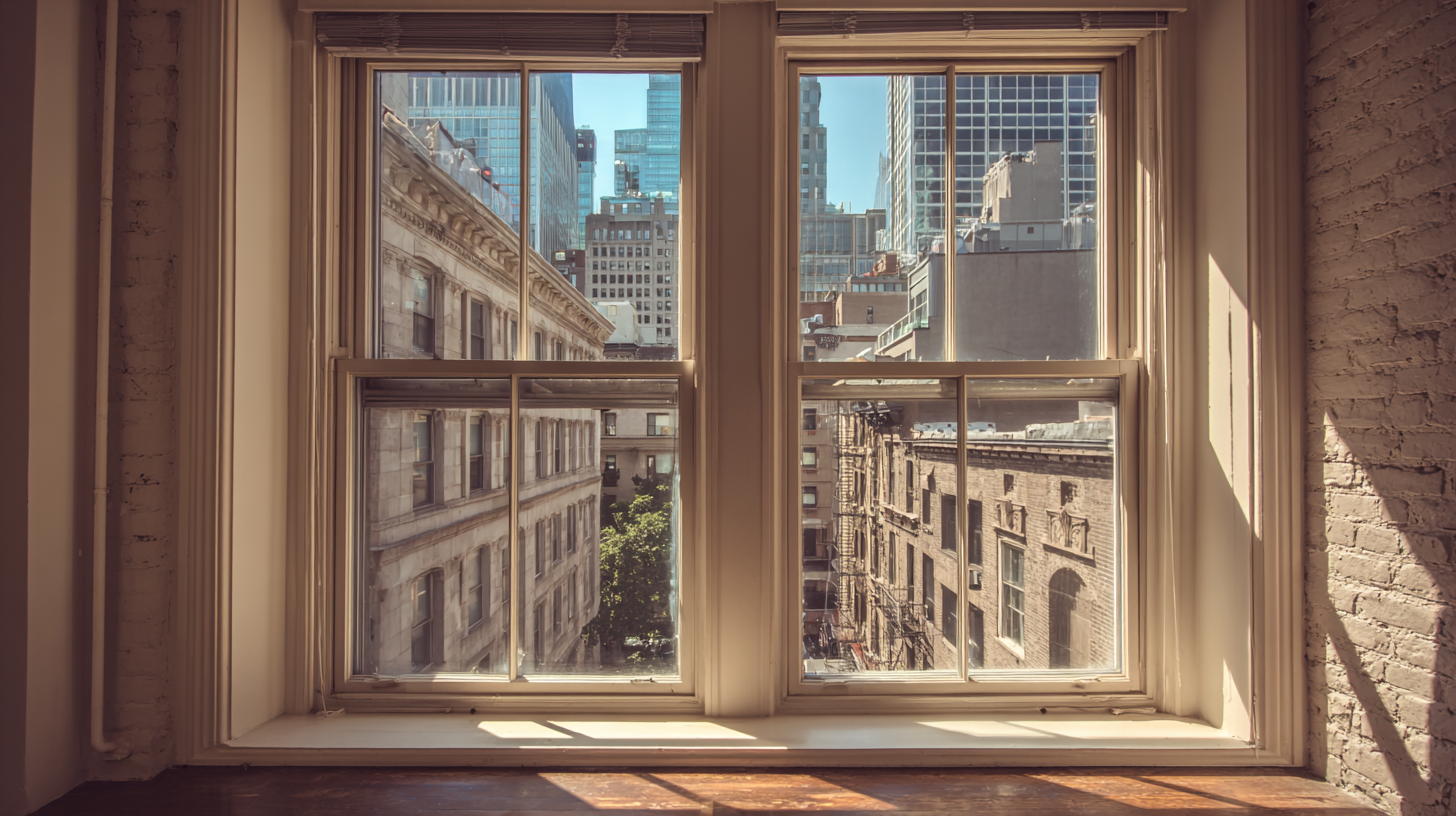
When considering installations that enhance energy performance in your home, selecting twin double hung windows can be a significant step. These windows not only provide aesthetic charm but also improve airflow and insulation, reducing your reliance on heating and cooling systems. Proper installation is crucial; ensure that frames are fitted tightly to prevent drafts. Using high-quality caulking and weather stripping helps maintain a consistent indoor temperature, ultimately leading to lower energy bills.
In addition, it's important to leverage available incentives for energy-efficient home improvements. Recent amendments to energy efficiency credits make it more appealing for homeowners to invest in such upgrades. Many homeowners mistakenly believe that these renovations are costly and time-consuming; however, with the right resources and knowledge, the installation process can be streamlined. Taking advantage of tax credits and financing options can ease the initial financial burden, allowing for a more sustainable and economically savvy home environment.
Maintenance Best Practices for Long-Lasting Energy Efficiency
Proper maintenance is essential for ensuring that twin double hung windows provide lasting energy efficiency. Regular cleaning is the first step; dirt and debris can accumulate in the tracks and sashes, hindering their ability to seal tightly. Using a gentle cleanser and a soft cloth, homeowners should clean both the glass and the framing materials.
Additionally, lubricating the moving parts, like the balance mechanisms and tilt latches, can ease operation and promote longevity.
Another important aspect of window maintenance is monitoring the weatherstripping. This component creates a crucial seal against the elements, preventing drafts and heat loss. Homeowners should check for any wear or damage, replacing deteriorated strips as needed. Regular inspections for cracks in the frame or gaps between the window and its casing are also vital. Addressing these issues promptly not only enhances energy efficiency but also helps maintain the overall integrity of the home.
Implementing these best practices can significantly extend the lifespan and performance of twin double hung windows.