Top Rated Windows You Should Consider for Your Next Purchase?
Choosing the right windows for your home can be overwhelming. With so many options available, it's crucial to focus on quality and performance. In this guide, we explore some of the top rated windows that you should consider for your next purchase. These windows not only enhance the aesthetic appeal of your home but also improve energy efficiency.
The importance of selecting top rated windows cannot be overstated. They contribute to insulation, security, and noise reduction. Investing in well-reviewed products ensures you receive value and satisfaction. Unfortunately, not all windows live up to their promises. It's essential to research and consult experts before making decisions.
Remember, a beautiful home starts with reliable windows. While some options may be marketed as high-quality, real user experiences reveal the truth. Take your time to compare features. The right choice will lead to comfort and safety for years to come.
Types of Windows: Understanding Different Styles and Materials
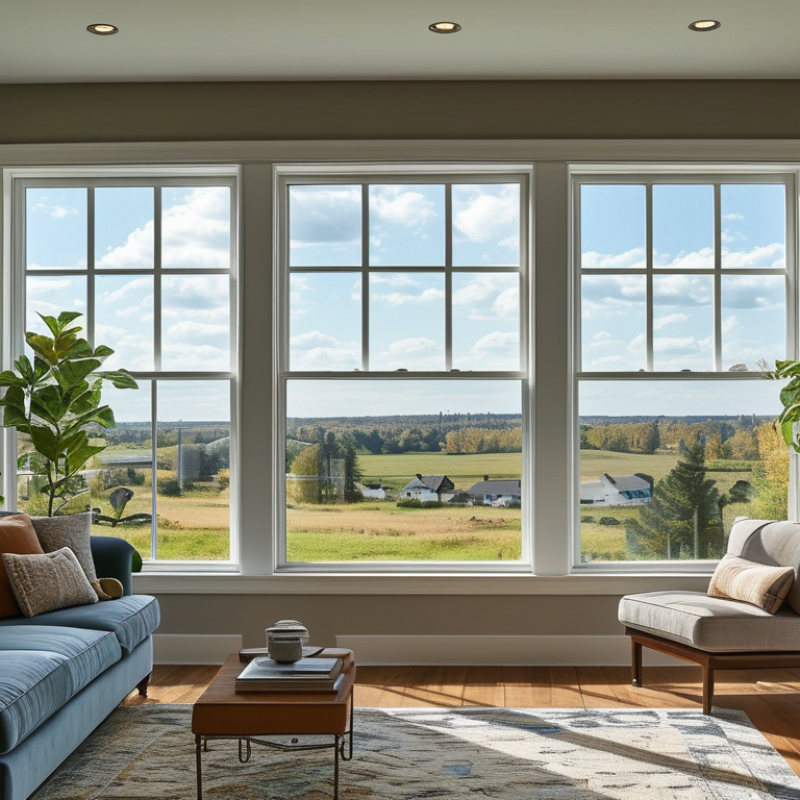
When selecting windows for your home, understanding different styles and materials can be crucial. Each type of window offers distinct features and benefits. For example, double-hung windows are popular for their classic look and functionality. They allow for easy ventilation, but keeping them clean can be a hassle. Sliding windows are sleek and offer a contemporary design, but they may not provide the best insulation compared to other styles.
Material choice also impacts performance and aesthetics. Vinyl windows are low-maintenance and energy-efficient. However, their color options may be limited. Wood windows offer natural beauty and good insulation, but they require regular upkeep to prevent rot and warping. Fiberglass windows can withstand extreme temperatures, but installation costs might be higher.
While it’s important to choose the right windows for style and function, mistakes can happen. You may overlook size requirements during your selection process. Additionally, consider how local weather influences window performance. Each material and style has pros and cons. Reflecting on your choices can lead to better decisions for your home.
Key Features to Look for When Choosing Windows for Your Home
When selecting windows for your home, energy efficiency is crucial. According to the U.S. Department of Energy, residential windows can account for 25% to 30% of heating and cooling energy use. Look for windows with low U-factors to increase insulation. Double or triple glazing can significantly reduce heat loss. Furthermore, window frames made of fiberglass or vinyl often offer better thermal performance than traditional wood.
Consider the impact of natural light on your living space. Studies show that well-lit rooms can enhance mood and productivity. Large windows or strategically placed ones maximize natural light. However, balance is essential. Overly large windows can lead to excessive heat gain, causing more reliance on air conditioning. Also, proper window orientation matters. South-facing windows capture more sunlight, while shaded areas can maintain cooler temperatures.
Sound insulation is another vital feature. Windows with high STC ratings can effectively block outside noise. This is especially important in urban areas. According to the Acoustical Society of America, effective sound insulation can significantly improve the quality of life. Think about your environment. If noise is a concern, investing in soundproof windows may be worthwhile.
Energy Efficiency Ratings: Why They Matter in Window Selection
When selecting windows for your home, energy efficiency ratings play a crucial role. These ratings provide insight into how well a window can insulate and reduce energy consumption. Windows with high energy efficiency ratings help maintain a comfortable indoor temperature. They can significantly lower heating and cooling costs, leading to long-term savings.
Understanding the Energy Star label is essential. It indicates that the product meets specific energy efficiency criteria. However, not all windows are created equal. Some might excel in one area but fall short in another. For instance, a window might have great insulation but poor solar gain. Consumers should analyze their specific climate needs before making a decision.
One must also consider the frame material and glazing type. For example, vinyl frames can have different insulation properties compared to wood. This variation affects the overall performance of the window. Homeowners often rush their choices, overlooking these details. Taking the time to evaluate energy efficiency ratings ensures a more informed purchase.
Top Brands in the Window Market: A Review of Leading Manufacturers
When considering your next window purchase, it's essential to assess the leading manufacturers in the market. Some brands consistently deliver quality, energy efficiency, and durability. Look for windows that meet your regional climate needs, as performance can vary widely based on local conditions.
An often-overlooked aspect is the design of windows. Aesthetics play a significant role in enhancing your home. Choose styles that complement your architecture while also considering functionality. Materials matter too; vinyl, wood, and fiberglass each provide different benefits, so weigh your options carefully.
For those navigating their purchase, here are some insights. Focus on energy-efficient models to reduce long-term costs. Look for ratings and certifications that confirm the windows' performance claims. It’s crucial to get at least three quotes. This helps in understanding pricing and options better. Remember, even highly rated products may have slight flaws, so read reviews critically.
Installation and Maintenance Considerations for New Windows
Choosing the right windows for your home is essential. Installation plays a crucial role in ensuring the longevity and effectiveness of your new windows. The installation process can be complex, requiring precise measurements and understanding the structure of your home. Seek professional help if you're unsure about doing it yourself. An improper installation can lead to drafts, water leaks, and decreased energy efficiency.
Maintenance is another important consideration. Regular cleaning helps maintain the aesthetics and functionality of your windows. Use appropriate cleaning products to prevent damage. Inspect seals and frames for any signs of wear and tear. Addressing small issues early can save you from expensive repairs later. Don’t overlook the importance of proper ventilation. It helps reduce condensation, which can lead to mold growth.
While these tips seem straightforward, remember that every home is different. What works for one may not work for another. Take time to reflect on your specific needs. Consider local climate factors. Sometimes, the best course of action is to consult with an expert who understands regional challenges. Invest in quality materials and craftsmanship to enhance your home's value.
Top Rated Windows You Should Consider for Your Next Purchase
| Window Type |
Energy Efficiency |
Cost Range |
Lifespan |
Maintenance Level |
| Double-Hung |
Good |
$300 - $600 |
30 years |
Low |
| Casement |
Excellent |
$400 - $800 |
40 years |
Medium |
| Sliding |
Good |
$250 - $500 |
25 years |
Medium |
| Awning |
Excellent |
$350 - $700 |
35 years |
Low |
| Picture |
Fair |
$450 - $900 |
50 years |
High |