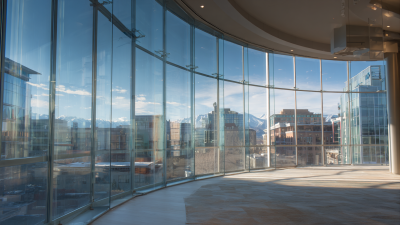
2025 Top 10 Home Windows Trends You Need to Know for Your Next Upgrade
As we approach 2025, the landscape of home windows is evolving rapidly, driven by advancements in technology, sustainability, and aesthetic preferences. According to the latest report from the American Architectural Manufacturers Association (AAMA), the exterior window and door market is projected to reach $10 billion by 2025, reflecting a growing consumer interest in both functional and stylish home windows. This trend is further supported by rising energy efficiency standards and increasing awareness about the environmental impact of building materials. In fact, energy-efficient windows can reduce heating and cooling costs by up to 30%, as highlighted in a study by the U.S. Department of Energy.
In this dynamic market, homeowners must stay informed about the latest developments to make educated decisions when upgrading their home windows. Not only will understanding these trends enhance the aesthetic appeal and functionality of their homes, but it can also lead to substantial savings in energy bills. From smart window technology that responds to environmental changes to eco-friendly materials that promote sustainability, the top trends for home windows in 2025 promise to transform living spaces into more comfortable and efficient environments. As we delve into the top ten trends for home windows, we aim to equip homeowners with valuable insights that will guide their next upgrade.
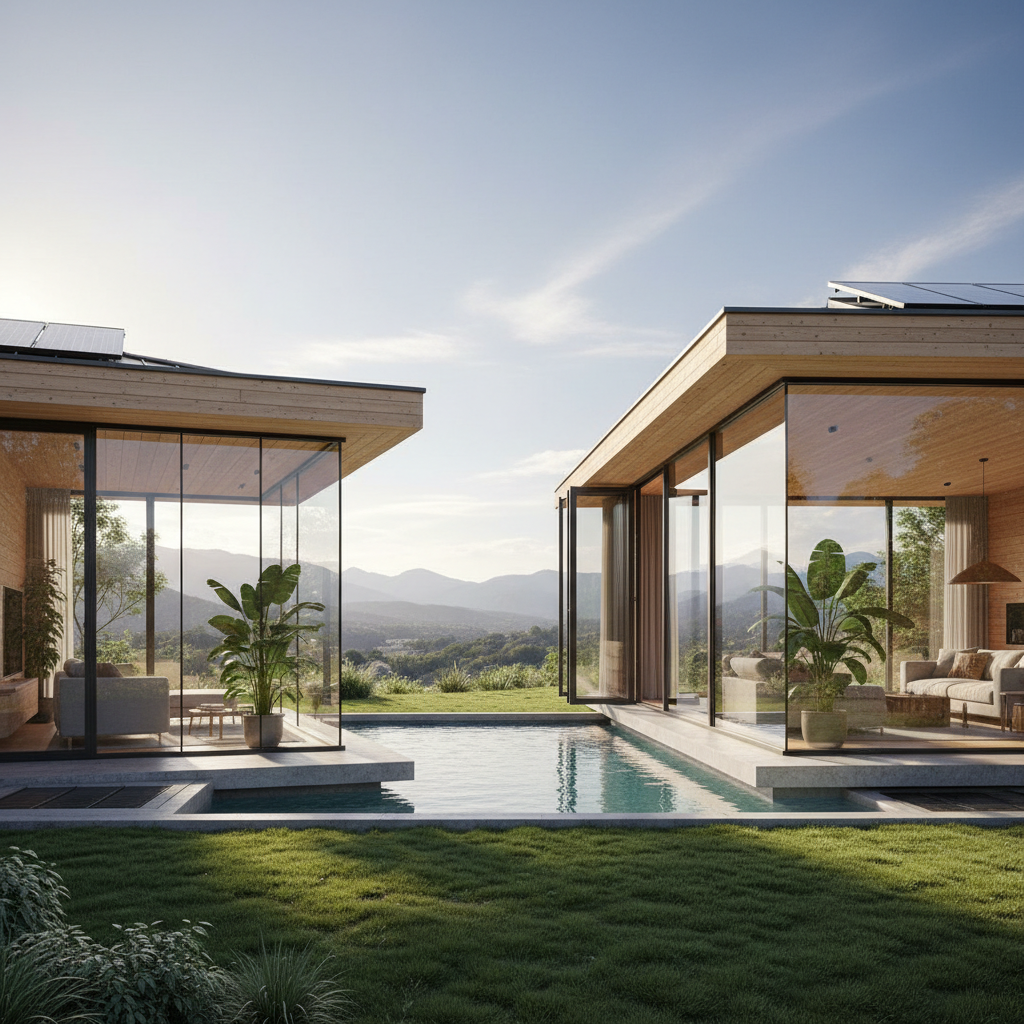
Smart Windows: Embracing Intelligent Technology for Increased Efficiency
As we move towards 2025, the integration of smart technology into home windows is revolutionizing the way we think about energy efficiency and comfort. Smart windows are equipped with advanced features such as electrochromic glazing, which allows them to tint automatically in response to sunlight. This not only enhances privacy but also helps in regulating indoor temperatures, reducing the need for air conditioning and heating, and ultimately lowering energy bills. Homeowners can enjoy a more comfortable living environment while also contributing to a sustainable future.
Moreover, smart windows are becoming increasingly connected, allowing homeowners to control them via mobile apps or home automation systems. Imagine adjusting your window's transparency or opening them from your smartphone while relaxing on the couch. These innovations offer convenience and a personalized experience tailored to individual preferences and lifestyles. As technology continues to advance, we can expect smart windows to become even more sophisticated, integrating with smart home ecosystems to optimize energy use and improve overall home efficiency.
Sustainable Materials: Eco-Friendly Choices for Modern Window Designs
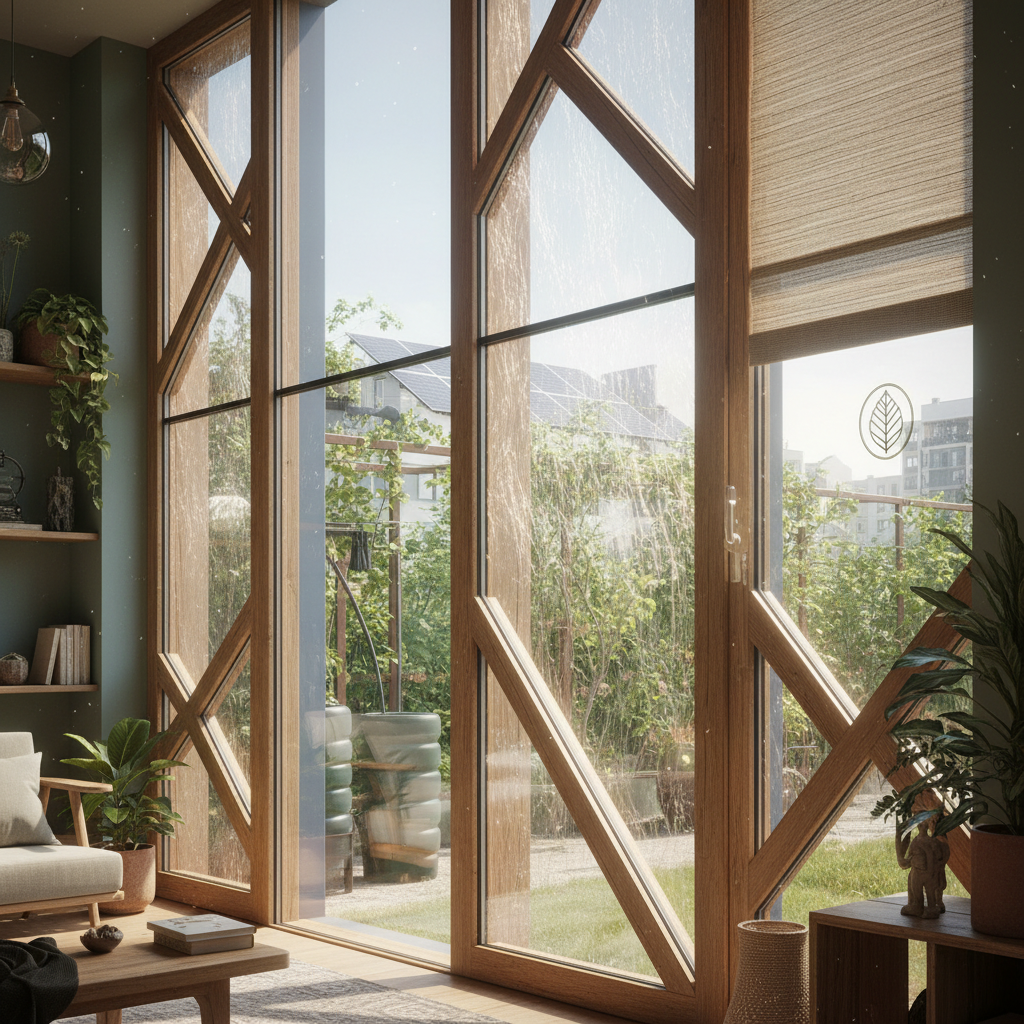
In 2025, the emphasis on sustainable materials in home window designs reflects a growing trend towards eco-friendly living. Modern window solutions now increasingly incorporate recycled and renewable resources, ensuring that homeowners are not only enhancing their living spaces but also making environmentally responsible choices. This shift towards sustainability transcends mere aesthetics, as today’s designs integrate advanced materials that promise durability while minimizing environmental impact.
Moreover, the concept of smart-green homes is gaining traction, where technology and sustainability converge to enhance home efficiency. Incorporating intelligent systems into window designs allows for optimal energy management, enabling homeowners to maintain comfort while reducing their carbon footprint. As architects and designers embrace these innovative practices, the future of home windows is not only about elevating the aesthetic appeal but also about crafting spaces that respect and protect the planet. This holistic approach is gaining momentum, shaping how we perceive and interact with our living environments.
Aesthetic Innovations: Stylish Frame Designs to Enhance Curb Appeal
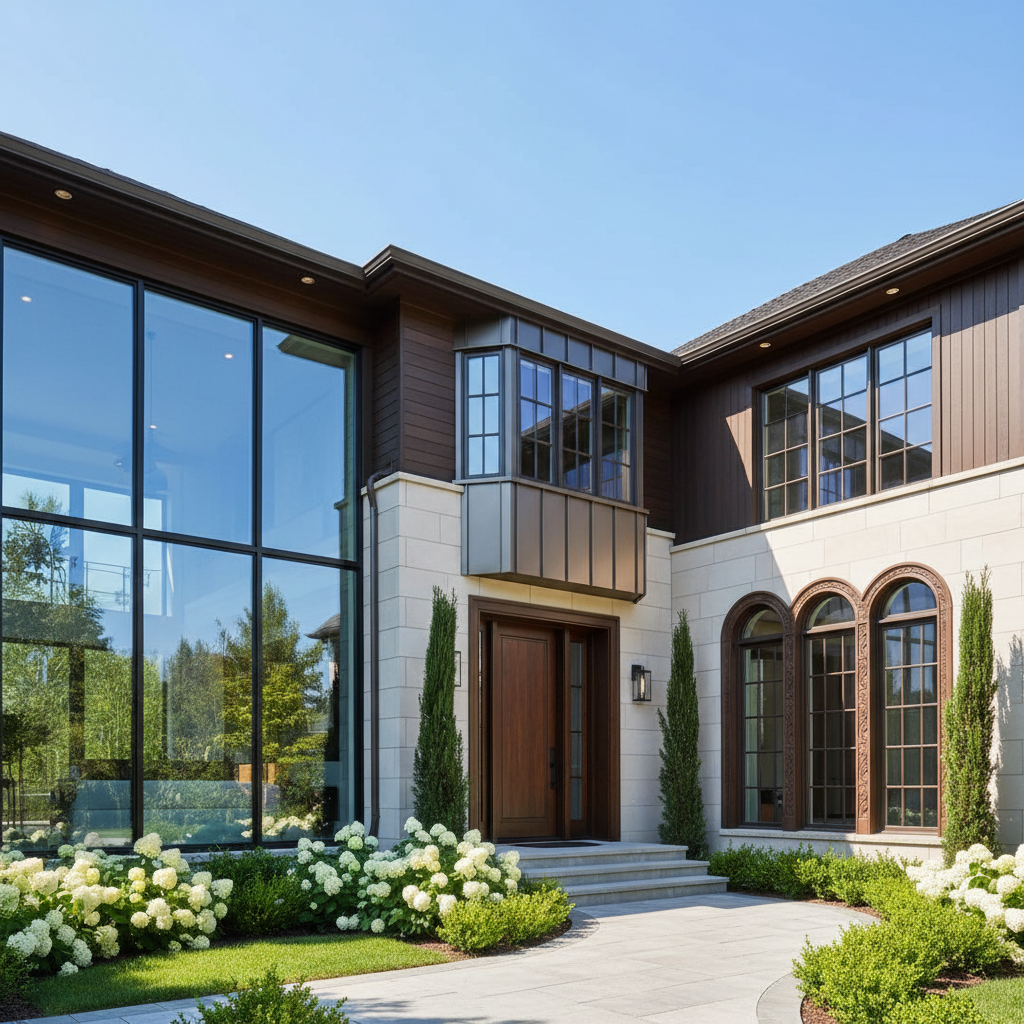
As we look ahead to 2025, homeowners seeking to elevate their property's curb appeal should pay close attention to the latest window frame designs.
Aesthetic innovations are redefining how windows can complement a home's exterior, blending functionality with a striking visual impact.
From sleek, minimalist frames that create a contemporary look to ornate designs that celebrate traditional architecture, there is a wide array of styles to choose from.
Not only do stylish window frames significantly enhance the overall appearance of a home, but they also reflect personal style and taste.
New materials, such as composite frames that mimic the appearance of wood while providing superior durability, are becoming popular.
Additionally, bold colors and unique shapes are emerging as trends that allow homeowners to make a statement, moving beyond the classic white or beige options.
By incorporating these innovative designs, homeowners can ensure that their window upgrades not only serve practical purposes but also become focal points that boost the attractiveness of their properties.
Energy Efficiency: Maximizing Insulation and Minimizing Energy Loss
As we approach 2025, energy efficiency has become a paramount consideration for homeowners looking to upgrade their windows. The focus on maximizing insulation while minimizing energy loss is not merely a trend; it's a necessity driven by rising energy costs and a growing awareness of environmental sustainability. The latest window technologies incorporate advanced glazing techniques, multi-chambered frames, and energy-efficient coatings that significantly reduce heat transfer.
These innovations not only keep homes warmer in winter and cooler in summer but also contribute to lower energy bills.
Additionally, selecting the right frame materials plays a crucial role in energy performance. Vinyl and fiberglass frames, which offer excellent insulation properties, are becoming increasingly popular. They resist temperature fluctuations better than traditional materials like wood, which can expand and contract, leading to air leaks over time. To further enhance energy efficiency, homeowners are encouraged to opt for triple-glazing options, which provide an extra layer of insulation compared to double-glazed windows.
These advancements reflect a broader commitment to sustainable living, ensuring that home upgrades contribute positively to both the home environment and the planet.
Customization Trends: Tailoring Windows to Match Personal Style and Home Design
As homeowners increasingly seek to personalize their living spaces, customization trends in window design have gained significant traction. One of the most notable shifts is the shift from standardized window styles to bespoke solutions that reflect individual aesthetics and functional needs. Whether through unique shapes, sizes, or materials, homeowners are empowered to express their personalities while enhancing their home’s curb appeal.
Furthermore, technology plays a pivotal role in these customization trends. Smart windows that integrate with home automation systems allow homeowners to not only choose their desired appearance but also optimize energy efficiency and comfort. From customizable framing colors to varying glazing options, the modern window design process encourages a harmonious balance between style and sustainability.
Ultimately, tailored window solutions are redefining how personal style can seamlessly integrate with home design, making a statement that goes beyond mere functionality.