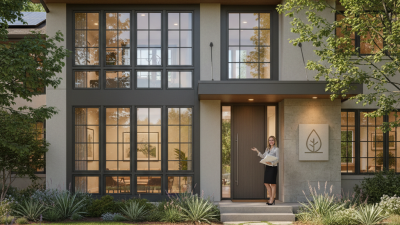
How to Choose the Best Home Windows for Your Home?

Choosing the best home windows is not simply a style decision. It affects comfort, energy use, daylight, noise, and long-term maintenance. A beautiful window can still perform poorly if it faces harsh afternoon sun or leaks air around the frame.

Building-science expert Dr. Joseph Lstiburek has famously reminded builders, “Windows are holes in walls.” That short statement deserves attention. Every window interrupts the home’s insulation and weather barrier. Therefore, the glass, frame, flashing, and installation must work together. A reliable choice begins with local climate, wall construction, room orientation, and household habits. Cold-climate homeowners may value low U-factors and warm-edge spacers. In warmer regions, lower solar heat gain can reduce cooling demands. Bedrooms facing a busy road may need laminated glass for better sound control.

Look closely at the details. Check the window’s energy label, warranty, drainage design, and air-leakage rating. Ask how installers will seal the rough opening. A high-performing product cannot compensate for careless installation. That mistake is common.

Do not chase the cheapest quote. Do not assume the most expensive frame is automatically superior. Vinyl, fiberglass, composite, and wood windows each have practical strengths. Your choice should match the home’s exposure, budget, appearance, and maintenance tolerance. Even experienced homeowners can overlook condensation risks or cleaning access. I would question any recommendation based only on appearance. The best home windows are not merely attractive. They are carefully matched to the building and installed with equal care.
How to Choose the Best Home Windows for Your Home?

Home Window Types and Their Key Differences

How to Choose the Best Home Windows for Your Home?

Home Window Types and Their Key Differences

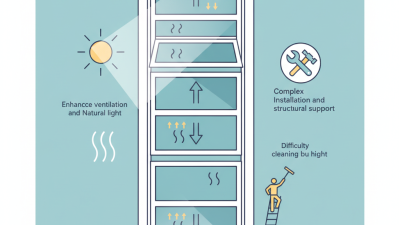
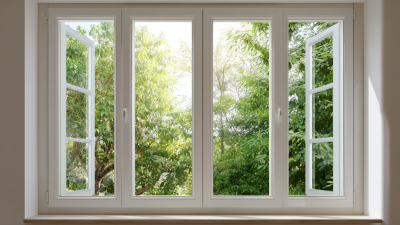
Choosing windows starts with understanding how each type operates. Single-hung windows have one movable sash, while double-hung models let both sashes move. Double-hung designs improve ventilation, especially when warm air escapes through the upper opening. Casement windows swing outward on hinges and usually create a tighter seal. They can catch cross-breezes well. Sliding windows move horizontally and suit wide openings, but their tracks may collect dust.

Awning windows are hinged at the top, so they can ventilate during light rain. Picture windows do not open, yet their large glass areas provide clear daylight and strong views. Bay and bow windows extend beyond the wall, adding space but requiring careful structural support. I once underestimated that detail. A beautiful window can still perform poorly if its frame or installation is unsuitable.

Look beyond appearance. Compare the U-factor, solar heat gain coefficient, air leakage rating, and visible light transmission. Lower U-factor values generally indicate better insulation. In hot regions, lower solar heat gain can reduce indoor heat. In colder areas, balanced solar gain may help warm rooms. A qualified installer should check wall dimensions, flashing, drainage, and local weather exposure. Window selection is not perfectly simple. Glass, frame material, orientation, and maintenance needs all affect real-world performance. Safety hardware also matters in bedrooms and upper-floor rooms.

How to Choose the Best Home Windows: Typical U-Factor by Window Type

U-factor measures how quickly a window transfers heat. Lower values generally indicate better insulation and improved energy efficiency. These are representative values for common residential glazing configurations; actual performance varies with frame material, gas fill, low-emissivity coatings, and window size.

How to Assess Your Home’s Climate, Style, and Window Needs

How to Choose the Best Home Windows for Your Home?

How to Assess Your Home’s Climate, Style, and Window Needs

Start with your local climate, not a showroom display. A cold region needs strong insulation and low air leakage. Look for a low U-factor to reduce winter heat loss. In hot, sunny areas, a low solar heat gain coefficient can limit indoor overheating. Coastal homes may also need corrosion-resistant hardware and impact protection. Condensation around the frame deserves attention. It can signal poor ventilation, indoor humidity, or a weak window seal.

Your home’s style should guide the window’s shape, color, and proportions. A narrow, traditional façade may suit divided panes and slimmer frames. A modern room might benefit from larger glass areas and simple profiles. Still, appearance cannot replace performance. Check whether each window opens easily, supports emergency escape, and allows practical cleaning. Sound control matters near busy roads. Privacy glass may help in bathrooms and street-facing rooms.

Measure every opening carefully. Older homes rarely have perfectly identical spaces. Small differences can affect installation quality. Ask for documented performance ratings, warranty terms, and installation details. Local building requirements may also affect glazing, safety glass, ventilation, and bedroom exits. Do not assume the most expensive window is the best choice. Budget, maintenance, sunlight, and daily use should shape the decision. I would also question dramatic energy claims without independent testing. Reliable advice should explain both the benefits and the limitations.

How to Choose the Best Home Windows for Your Home? - How to Assess Your Home’s Climate, Style, and Window Needs

Assessment Area Home Condition or Goal Recommended Window Features Useful Performance Target Why It Matters
Cold or heating-dominated climate Long winters, cold nights, or high heating demand Insulating frames, double- or triple-pane insulating glass, warm-edge spacers, and low-emissivity coatings Low U-factor; select a value appropriate for the local energy code and climate zone Reduces heat transfer from the conditioned interior to the outdoors
Hot or cooling-dominated climate Strong sunlight, hot summers, or frequent air-conditioning use Solar-control low-emissivity glass, exterior shading, spectrally selective glazing, and well-sealed frames Low solar heat gain coefficient (SHGC) where reducing heat gain is the priority Limits unwanted solar heat entering the home while maintaining useful daylight
Mixed climate Both heating and cooling are needed during different seasons Balanced glazing selection, low-emissivity coating, good air sealing, and orientation-specific glass choices Compare both U-factor and SHGC rather than choosing by one value alone A balanced specification can reduce seasonal energy losses in both directions
High-wind, coastal, or storm-prone area Exposure to strong wind, wind-driven rain, or flying debris Tested structural performance, impact-resistant glazing where required, robust locks, and properly installed flashing Check local requirements for design pressure, impact protection, and water resistance The window must resist pressure and limit water infiltration under local weather conditions
Wet or humid climate Frequent rain, high humidity, or risk of condensation Durable moisture-resistant frames, sloped sill design, drainage paths, and careful perimeter sealing Review air leakage and water-penetration test results Good drainage and installation help prevent moisture damage around the opening
Urban or noisy location Traffic, aircraft, construction, or neighborhood noise Laminated acoustic glass, tighter air seals, and different glass thicknesses in the insulating unit Compare laboratory sound ratings and prioritize the frequency range of the unwanted noise Glass construction and air leakage both influence indoor sound transmission
High daylight requirement Dark rooms or a preference for natural light Larger clear-glass area, narrower frames where structurally suitable, and carefully positioned windows Compare visible transmittance with thermal and solar-control values Higher visible transmittance generally allows more daylight indoors
Privacy concern Bathrooms, bedrooms, street-facing rooms, or close neighboring buildings Obscure or textured glass, higher sill heights, interior shades, or strategically placed openings Confirm the desired privacy level in both daylight and nighttime conditions Privacy glass can reduce direct views while still admitting diffuse light
Emergency egress requirement Bedroom or habitable room that may require an emergency escape opening An operable window with sufficient clear opening, suitable sill height, and unobstructed operation Verify the local code’s minimum clear-opening area, width, height, and sill-height rules Nominal window size is not the same as the usable clear opening
Traditional architectural style Period, cottage, craftsman, or historically styled home Balanced proportions, divided-light appearance, compatible frame profiles, and historically appropriate sightlines Match the existing exterior proportions before selecting decorative grids Consistent proportions often have more visual impact than window material alone
Modern or minimalist style Clean lines, open interiors, and a preference for unobstructed views Large glazing areas, simple frame profiles, minimal grids, and carefully coordinated sightlines Confirm structural suitability, solar exposure, and shading before increasing glass area More glass can improve views and daylight but may increase heat gain or loss
Limited exterior access Upper floors or windows that are difficult to reach from outside Inward-opening, tilt-in, or otherwise easy-to-clean operating designs Check that hardware can be operated safely and that both glass surfaces are accessible A practical cleaning method reduces maintenance difficulty and safety risks
Low-maintenance priority Limited time for painting, sealing, or frequent repairs Durable exterior finishes, corrosion-resistant hardware, replaceable weather seals, and accessible drainage channels Review the required cleaning schedule and care instructions Routine inspection and cleaning help preserve seals, finishes, and operating parts
Selection note: Compare the complete window unit, including glazing, frame, spacer, hardware, and installation details. U-factor, SHGC, visible transmittance, air leakage, water resistance, and structural performance should be evaluated together with local building codes and the home’s orientation.

Comparing Window Materials, Glass Options, and Energy Efficiency

How to Choose the Best Home Windows for Your Home?

Choosing windows starts with the local climate, not appearance. In a cold region, a low U-factor helps slow indoor heat loss. In a sunny climate, a suitable solar heat gain coefficient can reduce overheating. I once selected large south-facing windows for a bright room, but ignored afternoon glare. The space looked beautiful and became uncomfortable by July.

Frame materials also affect performance. Vinyl frames usually need little maintenance and resist moisture. Fiberglass offers strength and stable dimensions during temperature changes. Wood provides natural insulation, but it needs regular sealing, especially near wet weather. Aluminum frames are durable, yet they can transfer heat unless they include thermal breaks. No material is perfect.

Glass deserves careful attention. Double glazing works well in many homes, while triple glazing may suit colder conditions. Low-emissivity coatings help reflect heat without blocking useful daylight. Argon-filled spaces can improve insulation, but damaged seals may reduce their benefit over time. Check the whole-window U-factor, not only the center glass value. This detail matters.

Look for independently verified performance labels and compare air leakage, visible transmittance, and condensation resistance. A highly efficient window can still perform poorly when installed with gaps around the frame. Ask the installer how the sill, flashing, and perimeter will be sealed. Review local energy requirements, too. I would measure each opening twice, because small mistakes become expensive surprises.

Selecting the Right Window Designs, Sizes, and Opening Styles

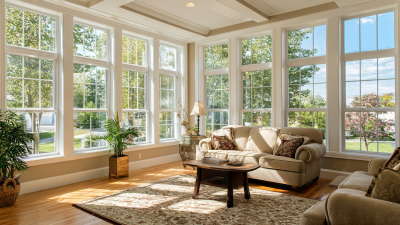
Choosing home windows starts with the room, not the showroom display. The U.S. Department of Energy estimates that windows can cause 25–30% of residential heating and cooling energy use. That figure makes design and glass selection practical decisions, not decoration. Large south-facing windows may provide useful winter sunlight, while shaded west-facing glass can reduce afternoon heat. Measure the rough opening, wall thickness, furniture clearance, and exterior drainage path before selecting a size.

Opening style also changes daily comfort. Casement windows usually direct airflow inward more effectively than sliding windows. Awning windows can ventilate during light rain, but their projecting sash needs clearance. Double-hung designs suit traditional rooms and allow controlled ventilation from both levels. In bathrooms, privacy glass and a smaller opening may matter more than a wide view. Bedroom windows must also meet local emergency-egress requirements.

Read the National Fenestration Rating Council label carefully. Lower U-factor generally indicates better insulation, while Solar Heat Gain Coefficient helps control unwanted sunlight. The right values depend on climate, orientation, shading, and HVAC use. DOE guidance supports evaluating these factors together rather than choosing one attractive specification. A perfect window rarely exists. Oversized glass can increase comfort near the view but complicate installation, structure, and cleaning. I would recheck every measurement; one overlooked sill detail can undermine an otherwise excellent design.

Evaluating Installation Costs, Maintenance, and Long-Term Value

How to Choose the Best Home Windows for Your Home?

Evaluating Installation Costs, Maintenance, and Long-Term Value

When I compare home windows, I do not judge them by the showroom price alone. Replacing eight windows can involve removal, disposal, flashing, trim repairs, and interior touch-ups. My first estimate missed those details. It looked affordable until labor and wall damage appeared.

Ask for an itemized installation quote. It should separate materials, labor, permits, disposal, and possible structural repairs. Confirm whether the installer carries appropriate insurance and follows local building codes. Experienced professionals should explain water management, insulation gaps, and emergency repair procedures clearly. A vague answer deserves caution.

Maintenance affects the real cost over time. Vinyl and fiberglass frames usually need simple cleaning, while painted wood may require periodic sealing. Check the drainage holes, locks, weather-stripping, and glass seals every year. Small failures become expensive quickly. They also reduce comfort.

Energy performance matters, but the best specification depends on your climate and window orientation. A certified energy rating can help compare insulation and solar heat control. South-facing glass may need different performance than shaded north-facing glass. I once focused too heavily on low heat transfer and overlooked useful winter sunlight. That choice was technically sound, but not perfect for the room.

Consider repairability, expected service life, and warranty terms. A cheaper window may cost more if parts are difficult to replace. Keep installation records, product details, and maintenance dates. Future buyers and technicians may need them. drifts.