The Ultimate Guide to Enhancing Home Comfort with Retrofit Windows
In the quest for a more comfortable living environment, many homeowners are turning to innovative solutions, one of which is the use of retrofit windows. These specially designed windows offer the perfect blend of energy efficiency, aesthetic appeal, and enhanced functionality, making them an ideal choice for those looking to upgrade their homes without undertaking a full renovation. Retrofit windows not only improve insulation and reduce energy costs, but they also help to eliminate drafts and external noise, creating a serene indoor atmosphere.
This guide will delve into the essential techniques and benefits of installing retrofit windows, providing you with the necessary insights to transform your home into a haven of comfort. Whether you’re a DIY enthusiast or considering professional installation, understanding the intricacies of retrofit windows is the first step towards elevating your home’s comfort level and overall value.
Understanding Retrofit Windows: Types and Benefits for Home Comfort
Retrofit windows offer an excellent solution for homeowners looking to enhance their living spaces while improving energy efficiency. These windows are designed to fit into existing window frames without requiring a complete replacement, making them an ideal choice for those wanting to upgrade their comfort without significant renovations. The two main types of retrofit windows are insert windows and full-frame options. Insert windows slide into the existing frame, maintaining the original trim, while full-frame windows replace the entire unit, including the frame and sash, allowing for updated aesthetics and improved sealing.

The benefits of retrofit windows extend beyond mere convenience. By upgrading to energy-efficient glass and frames, homeowners can significantly reduce their heating and cooling costs, creating a more comfortable indoor environment. Additionally, retrofit windows can enhance noise reduction, providing a quieter living space by blocking external sounds. They also offer improved UV protection, safeguarding furniture and flooring from sun damage. Overall, selecting retrofit windows not only boosts home comfort but also adds to the property’s value, making them a smart investment for any homeowner.
Key Factors to Consider When Choosing Retrofit Windows
When choosing retrofit windows, several key factors come into play to ensure
optimal home comfort and energy efficiency. First and
foremost, the type of glass used in the windows can significantly influence thermal performance.
Low-emissivity (Low-E) glass, for example, minimizes heat transfer, keeping homes cooler in the
summer and warmer in the winter. Additionally, options like double or triple glazing
provide enhanced insulation, which can further reduce energy bills and improve climate control within the home.
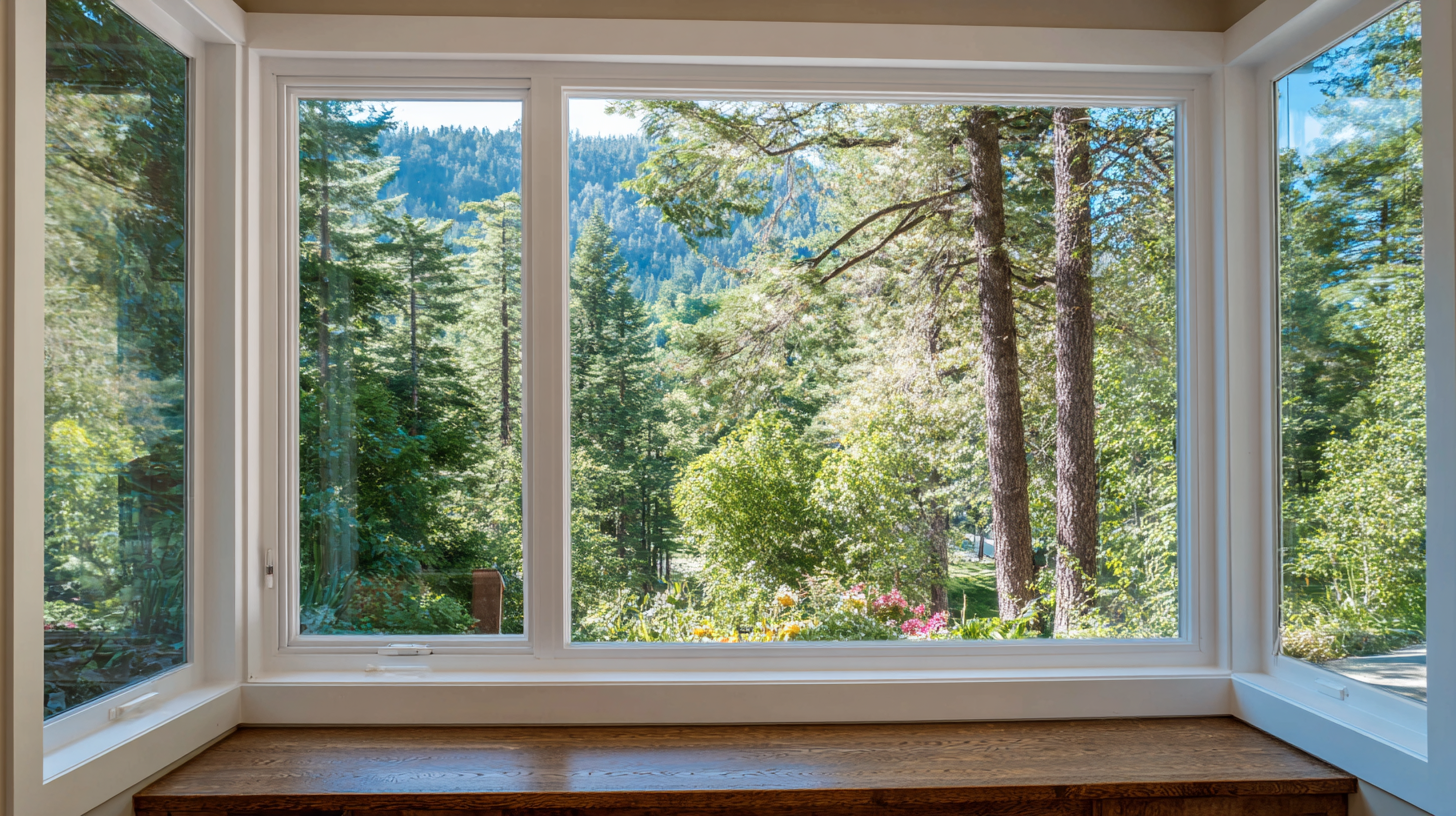
Another important aspect is the frame material. Retrofit windows are available
in various materials, including vinyl, wood, and
fiberglass, each offering different benefits in terms of durability, aesthetics,
and maintenance. Vinyl frames are often favored for their low upkeep and excellent insulation properties, while
wooden frames offer a classic look and can be painted to match the home’s interior. Lastly, homeowners should consider
the energy efficiency ratings, including the U-factor and
Solar Heat Gain Coefficient (SHGC), to ensure they are making a choice that aligns with their comfort needs
and environmental goals.
Step-by-Step Guide to Measuring and Installing Retrofit Windows
Installing retrofit windows can significantly enhance the comfort and energy efficiency of your home. Before embarking on this project, accurate measurements are crucial. Begin by measuring the width and height of your existing window frame from the interior side. Make sure to measure at three different points: the top, middle, and bottom for width, and the left, center, and right for height. This ensures you capture any variations in the frame, which is essential for a proper fit.
Once you have your measurements, choose the right retrofit windows suited to your home’s aesthetic and thermal needs. When ready to install, remove any interior trim carefully to avoid damage. Insert the new window into the existing frame, ensuring it's level and plumb. Use shims as necessary to adjust the fit, and then secure the window in place. After installation, reinstall the trim, sealing any gaps with caulk to prevent air leaks. This step-by-step approach will help you achieve a comfortable and efficient living space.
Energy Efficiency: How Retrofit Windows Save Money and Improve Comfort
Retrofitting windows is an effective strategy for enhancing energy efficiency in homes, leading to significant cost savings and improved comfort. According to the U.S. Department of Energy, up to 30% of a home’s heating and cooling energy is lost through inefficient windows. By upgrading to retrofit windows, homeowners can reduce energy bills by an average of 15% to 25%, depending on the local climate and existing window performance. This not only leads to financial savings but also contributes to a reduced carbon footprint, aligning with sustainability goals.
Furthermore, retrofit windows improve indoor comfort by minimizing drafts and temperature fluctuations. The National Fenestration Rating Council reports that high-performance retrofit windows can substantially enhance insulating properties, achieving U-values as low as 0.20. This translates into more stable indoor temperatures throughout the year, providing a more pleasant living environment. Homeowners can also benefit from noise reduction, with upgraded glazing systems offering better sound insulation, thus creating a more serene atmosphere. With both economic and comfort advantages, retrofit windows represent a smart investment for any homeowner looking to enhance their living space.
The Impact of Retrofit Windows on Energy Efficiency and Comfort
This chart illustrates the average annual savings in energy costs and the improvement in comfort levels after retrofitting windows across different climates.
Maintenance Tips for Maximizing the Lifespan of Retrofit Windows
When it comes to maximizing the lifespan of retrofit windows, regular maintenance is crucial. According to industry reports, properly maintained windows can last for 20 to 30 years, significantly enhancing both the comfort of your home and overall property value. Simple tasks such as cleaning the frames and checking the seals can prevent moisture from seeping in, which is a common cause of window deterioration. Investing a little time each year in routine maintenance can have long-lasting benefits.
Another important aspect is the inspection schedule. Experts recommend conducting a thorough evaluation of retrofit windows at least twice a year. This includes looking for any signs of wear or damage, such as cracked glass or malfunctioning hardware. Timely repairs can save homeowners from costly replacements in the future. Additionally, applying a protective sealant every few years can help maintain the integrity of the window materials, making it easier to uphold both the aesthetic and functional qualities of your windows while also boosting your home's curb appeal.
The Ultimate Guide to Enhancing Home Comfort with Retrofit Windows - Maintenance Tips for Maximizing the Lifespan of Retrofit Windows
| Maintenance Tip |
Frequency |
Description |
Estimated Cost |
| Clean Window Frames |
Monthly |
Remove dirt and debris from window frames to prevent buildup and deterioration. |
$10 |
| Inspect Seals and Weatherstripping |
Bi-Annually |
Check for cracks or gaps in seals and replace weatherstripping as necessary. |
$50 |
| Lubricate Moving Parts |
Annually |
Use silicone spray on hinges and locks to ensure smooth operation. |
$20 |
| Check for Mold and Mildew |
Seasonally |
Inspect for signs of mold or mildew and clean promptly to prevent growth. |
$30 |
| Professional Inspection |
Every 5 Years |
Schedule a professional check to assess the condition of windows and frames. |
$150 |