Understanding the Energy Efficiency Gains of Retrofit Windows in Modern Home Renovations
The trend towards energy-efficient home renovations has seen a significant rise, with homeowners seeking innovative solutions to reduce energy consumption and improve overall comfort. One of the most effective strategies in this realm is the installation of retrofit windows. These specially designed windows not only enhance the aesthetic appeal of modern homes, but they also offer substantial energy efficiency gains.
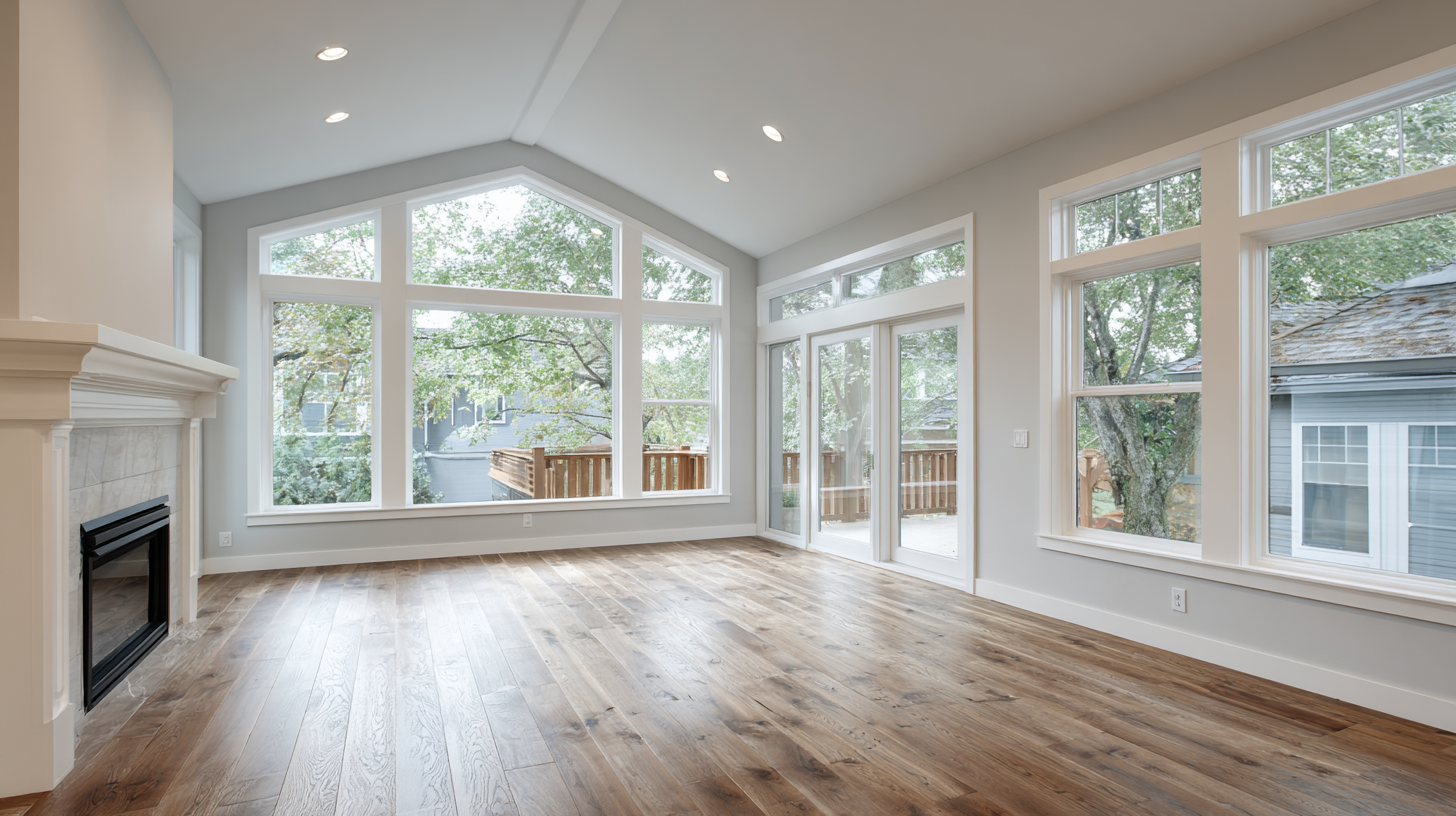 Retrofit windows are engineered to fit existing window frames, minimizing installation costs while maximizing thermal performance. By minimizing air leakage and improving insulation, these windows can lead to reduced energy bills and a lower carbon footprint. This introduction explores the various benefits of retrofit windows in home renovations, emphasizing their role in achieving energy efficiency and contributing to sustainable living.
Through a detailed analysis, we aim to demonstrate that investing in retrofit windows is a smart choice for homeowners aiming to modernize their properties while promoting eco-friendly practices.
Retrofit windows are engineered to fit existing window frames, minimizing installation costs while maximizing thermal performance. By minimizing air leakage and improving insulation, these windows can lead to reduced energy bills and a lower carbon footprint. This introduction explores the various benefits of retrofit windows in home renovations, emphasizing their role in achieving energy efficiency and contributing to sustainable living.
Through a detailed analysis, we aim to demonstrate that investing in retrofit windows is a smart choice for homeowners aiming to modernize their properties while promoting eco-friendly practices.
Benefits of Retrofit Windows in Energy Efficiency Upgrades
Retrofit windows are becoming increasingly popular in modern home renovations, primarily due to their significant contributions to energy efficiency. By replacing old, inefficient windows with retrofit options, homeowners can enjoy reduced energy bills and improved insulation. These upgraded windows are designed to fit into existing frames, making the installation process less invasive and more cost-effective, while still providing enhanced performance such as better UV protection and noise reduction.
**Tips for Choosing Retrofit Windows:**
When selecting retrofit windows, look for options with a high Energy Star rating to ensure they meet energy efficiency standards. Additionally, consider the frame material; vinyl and fiberglass are excellent choices for durability and insulation. Ensure that your windows are double or triple-glazed, as these features greatly improve thermal resistance.
Moreover, proper installation is crucial for maximizing energy savings. Hire professionals who are experienced with retrofit windows to ensure a tight seal, preventing air leaks and drafts. This attention to detail can greatly enhance the overall performance and longevity of your investment, leading to both immediate and long-term benefits in energy efficiency.
Key Factors to Consider When Choosing Retrofit Windows
When selecting retrofit windows for home renovations, several key factors must be carefully considered to maximize energy efficiency. One of the primary aspects to evaluate is the window's U-factor, which measures the rate of heat transfer. A lower U-factor indicates better insulating properties, meaning the window will keep heat inside during winter and block it during summer. Homeowners should seek windows with a U-factor that meets or exceeds the recommended values for their climate zone.
Another critical factor is the type of glazing used in the windows. Double or triple glazing can significantly enhance thermal performance by incorporating air or gas fills between panes, which reduces heat loss. Additionally, low-emissivity (Low-E) coatings play a vital role in reflecting infrared energy while allowing visible light to pass through, further improving energy efficiency. Beyond glazing, the frame material is essential as well; materials such as vinyl or fiberglass offer superior insulation compared to traditional aluminum frames. By carefully evaluating these components, homeowners can make informed decisions that lead to substantial energy savings and enhanced comfort in their living spaces.
Understanding the Energy Efficiency Gains of Retrofit Windows in Modern Home Renovations - Key Factors to Consider When Choosing Retrofit Windows
| Criteria |
Description |
Energy Efficiency Gain (%) |
Payback Period (Years) |
| Frame Material |
Options include vinyl, wood, aluminum; impact thermal performance. |
15% |
4 |
| Glazing Type |
Single, double, or triple glazing; affects insulation. |
25% |
6 |
| Low-E Coating |
Reflects heat in winter and blocks UV rays in summer. |
30% |
5 |
| Gas Fills |
Argon or krypton gas fill for enhanced insulation. |
20% |
7 |
| Installation Quality |
Proper installation minimizes air leaks; crucial for performance. |
35% |
3 |
Step-by-Step Guide to Installing Retrofit Windows
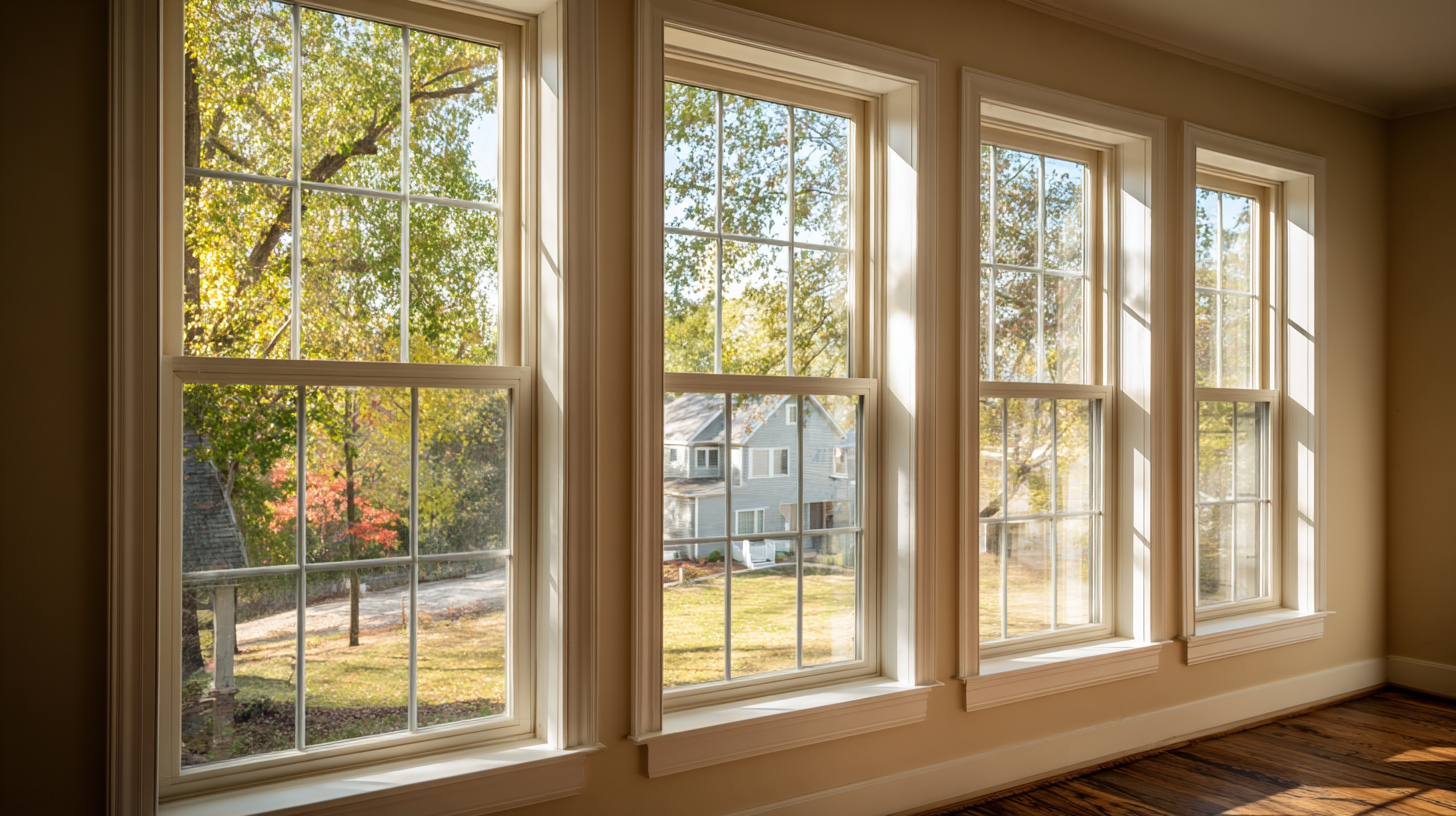 Installing retrofit windows can significantly enhance the energy efficiency of modern homes. The process begins with measuring the existing window frames to ensure a proper fit for the new windows. Accurate measurements are crucial as retrofit windows are designed to fit snugly inside the existing frames, minimizing air leaks and preventing drafts. Once you have your measurements, select high-quality windows that meet your energy efficiency needs, focusing on features like low-E glazing and gas fills.
Next, prepare the installation area by removing any window treatments and caulking. Carefully take out the old sashes while leaving the frame intact. Clean the area to eliminate dust and debris before installing the retrofit windows. Use shims to level the window and ensure proper alignment, then secure it in place. Finally, apply insulation around the frame to fill any gaps, and seal with caulk to enhance airtightness. This step-by-step approach not only improves energy efficiency but can also elevate the aesthetic appeal of your home.
Comparing Costs vs. Savings: Is Retrofitting Worth It?
In modern home renovations, the decision to retrofit windows as a means of improving energy efficiency is often met with a careful analysis of costs versus savings. Retrofitting can involve a significant upfront investment, yet studies indicate that the long-term energy savings may justify this expense. For instance, transitioning from standard windows to energy-efficient models can yield reductions in energy consumption, thus lowering utility bills over time. This aligns with findings from various studies that suggest green renovations, including advanced window technologies, can enhance overall home efficiency.
However, the financial implications of retrofitting require a nuanced understanding. While the immediate costs may deter homeowners, a comprehensive cost-benefit analysis reveals that energy-efficient upgrades often result in savings that gradually offset initial expenditures. For example, improved insulation and window performance can lead to substantial reductions in heating and cooling demands, as demonstrated by analyses highlighting the benefits of alternative solutions like LED lighting, which is proven to be significantly more efficient than traditional fluorescent options. Ultimately, careful consideration of both short-term investments and long-term savings is crucial in determining whether retrofit windows are a worthwhile endeavor for modern homeowners seeking energy efficiency.
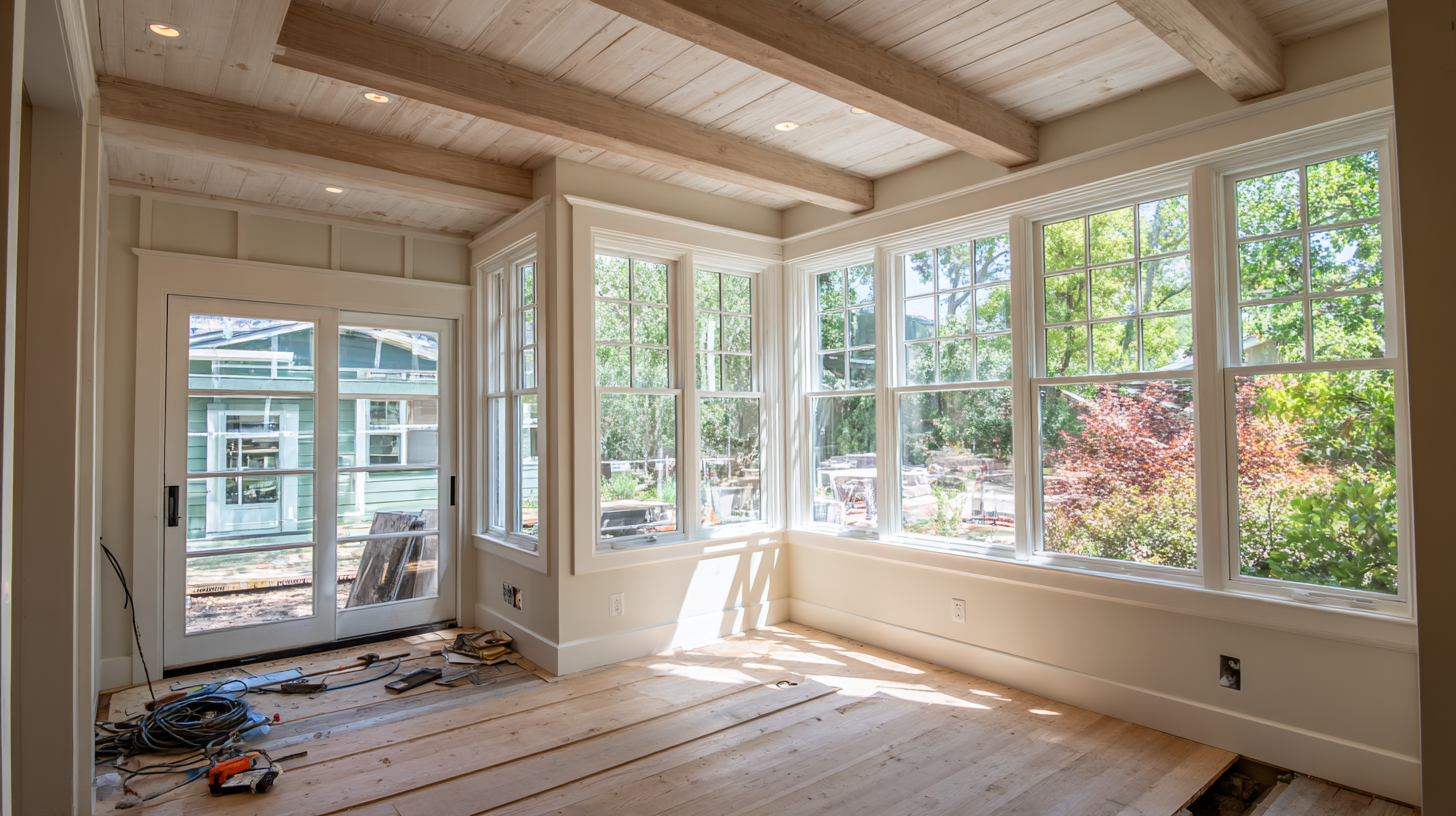
Real-Life Case Studies: Success Stories of Homeowners
Retrofit windows have become a focal point in modern home renovations, providing homeowners with a sustainable way to enhance energy efficiency. Real-life case studies illustrate how various homeowners have successfully made the switch, revealing significant reductions in energy costs and improvements in indoor comfort. For example, a study by the U.S. Department of Energy found that replacing single-pane windows with energy-efficient models can save homeowners up to 15% on their energy bills annually.
Homeowners like Patti Peeples from Florida highlight the importance of investing in these upgrades. By opting for retrofit windows during her renovation, she not only improved her home's aesthetic appeal but also contributed to a more sustainable lifestyle. Such updates align with broader environmental initiatives, as energy-efficient homes are pivotal in the fight against climate change.
**Tips for Homeowners:**
1. Research local incentives for energy-efficient home upgrades, as many areas offer tax credits or rebates.
2. Consult professional assessments to identify the most suitable window options for your specific home environment, ensuring you maximize both energy savings and comfort.
Energy Efficiency Gains of Retrofit Windows
This chart illustrates the energy savings achieved by homeowners after installing retrofit windows in modern home renovations. The data represents the annual energy cost savings in dollars for different types of retrofitted windows.