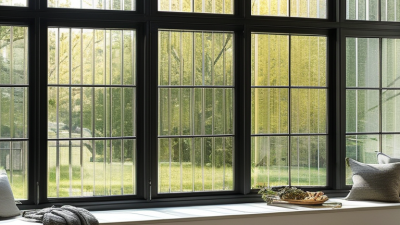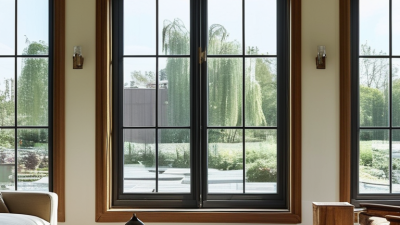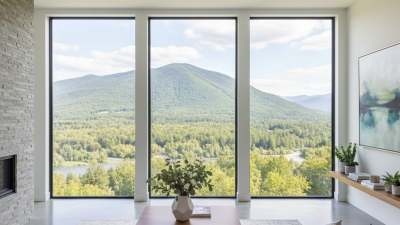
Choosing the best south windows in 2026 requires more than comparing frame colors or online ratings. These openings can deliver gentle winter sunlight, useful daylight, and passive warmth. They can also create uncomfortable summer heat, glare, and fading floors.
Building-science expert Joseph Lstiburek once said, “Windows are the eyes of a building.” That idea remains practical today. South-facing glass shapes how a room feels from morning through late afternoon. The right choice depends on your climate, roof overhang, wall insulation, and daily habits. In colder regions, well-positioned south windows may reduce heating demand. In warmer regions, exterior shading and carefully selected solar heat-gain coefficients matter more.
Look beyond appearance. Compare U-factor, solar heat-gain coefficient, visible transmittance, air leakage, and frame durability. Low-emissivity glazing can improve comfort, but the best coating varies by climate. A deep overhang may shade high summer sun while admitting lower winter rays. Measure before ordering.
Small details matter.
A practical evaluation should include the room’s furniture, nearby trees, neighboring buildings, and afternoon glare. In my experience, homeowners often underestimate shading. I once saw a bright south-facing room become nearly unusable after a darker floor and reflective desk were installed. The window performed well; the space did not.
There is no universal “best” south windows package. That is the uncomfortable part. Energy models can guide decisions, but real performance depends on installation quality and occupant behavior. This guide examines the 2026 options, trade-offs, and mistakes worth reconsidering before you buy.
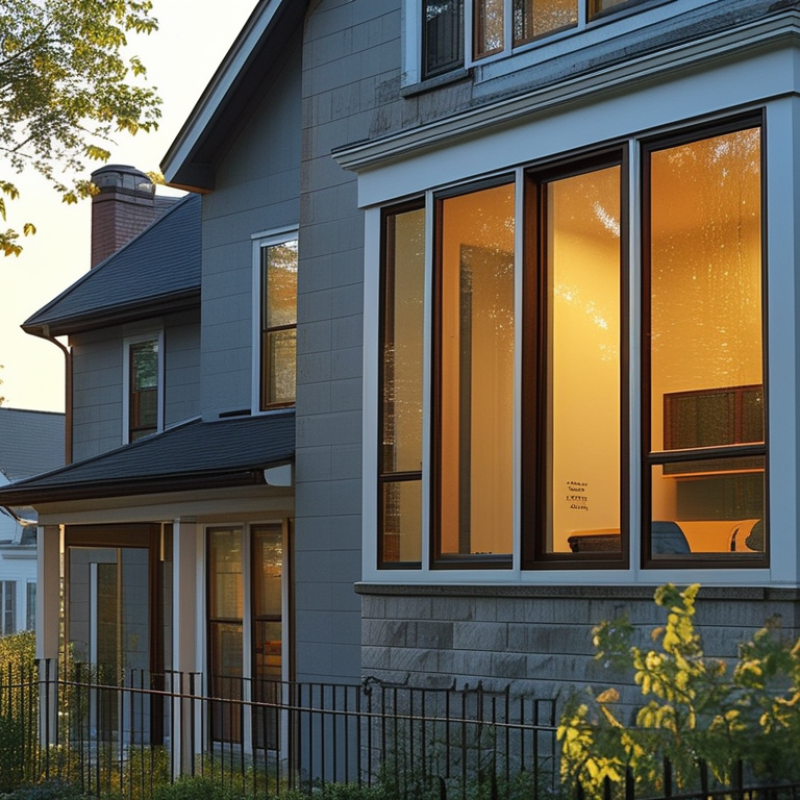
South-facing windows can provide bright, comfortable daylight for much of the day. In winter, low-angle sunlight may warm floors, sofas, and interior walls. That warmth can reduce heating demand, but summer sun may create uncomfortable indoor temperatures.
Glass selection matters more than window size alone. Low-emissivity coatings can limit unwanted heat transfer while preserving natural light. A lower solar heat gain coefficient often suits hot climates. Colder regions may benefit from stronger solar gain, especially on clear winter days. Local climate data should guide the decision. Guessing can be expensive.
Tips: Watch the room at 10 a.m., noon, and 3 p.m. Notice glare on screens and fading near furniture. Use exterior shading where possible, because outdoor blinds block heat before it reaches the glass. Check visible transmittance, U-value, and solar heat gain coefficient on product documentation. Ask a qualified installer about air leakage, frame quality, and local energy requirements.
Curtains help, but they are not a complete heat-control strategy. Deep roof overhangs can shade high summer sun while admitting lower winter rays. However, neighboring buildings, trees, and changing seasons can alter the result. I would not choose a large south-facing window from a plan alone. A physical daylight test is more reliable. Even then, comfort remains partly subjective.
South-facing windows can brighten a home and reduce daytime lighting needs. In the Northern Hemisphere, they usually receive the strongest annual sunlight. In the Southern Hemisphere, the opposite orientation often performs similarly. Check your local sun path before ordering.
Climate should guide the glass and frame selection. In cold regions, insulated frames, low U-values, and moderate solar heat gain can support winter comfort. Hot climates need exterior shading, durable seals, and lower solar heat gain. Look for tested performance data, not vague efficiency claims. Small gaps around the frame can still create noticeable drafts.
Room function matters just as much. A south-facing living room may benefit from wide glass and adjustable blinds. A bedroom may need glare control and privacy after sunrise. For a home office, place the window beside the desk rather than directly behind the monitor. This reduces screen reflections. In residential assessments, I have seen beautiful large windows make rooms uncomfortably hot by mid-afternoon. That choice needed more reflection.
Consider trees, neighboring buildings, roof overhangs, and seasonal shadows. A window that seems ideal in July may lose useful sunlight in December. Measure the opening carefully, and confirm ventilation needs before selecting fixed units. Safety glazing may also be appropriate near floors, doors, or busy walkways. A balanced design often beats the largest possible pane.
How to Choose the Best South Facing Windows in 2026?
South-facing windows receive strong sunlight for much of the day. In the Northern Hemisphere, this can provide useful winter warmth but create summer overheating. In the Southern Hemisphere, the seasonal effect changes. Your climate matters.
Choose glass by balancing visible light, solar heat gain, and insulation. Double glazing often suits moderate climates, while triple glazing helps in colder regions. Low-emissivity coatings can reduce heat transfer without making the room feel dark. Check the U-factor for insulation and the Solar Heat Gain Coefficient for sunlight control. Lower U-factors usually indicate better insulation. A lower SHGC can limit unwanted summer heat. Yet, very low solar gain may reduce winter warmth.
Frame materials also affect comfort and durability. Fiberglass and well-insulated composite frames resist temperature changes and can reduce thermal bridging. Vinyl frames are usually practical, but quality varies. Aluminum frames are strong and slim, though they need a reliable thermal break. Wood offers natural insulation but requires regular maintenance, especially near moisture. Inspect corner joints, drainage paths, and weather seals. Small defects matter.
Look for independently certified energy ratings rather than relying on sales language. Match the rating to your local climate zone, wall insulation, shading, and heating system. Exterior overhangs or adjustable blinds can improve a good window’s performance. A lesson from many renovation projects is simple: the highest rating is not always the best choice. Oversized south-facing glass can still make a room uncomfortable, even with excellent glazing.
| Window configuration | Typical glass specification | Typical U-factor Btu/h·ft²·°F |
Typical SHGC 0–1 scale |
Visible transmittance approx. range |
Frame material | Best suited for south-facing exposure | Energy-rating guidance |
|---|---|---|---|---|---|---|---|
| Double-pane clear glass | Two clear glass panes with an insulating air or argon cavity | 0.45–0.55 | 0.65–0.75 | 0.70–0.80 | Vinyl, wood, or non-thermally broken aluminum | Cold climates where winter solar heat is valuable and summer shading is available | Usually weaker thermal performance; verify the NFRC U-factor and air-leakage rating before choosing. |
| Double-pane low-e glass | Low-emissivity coating with argon-filled insulating cavity | 0.25–0.32 | 0.50–0.65 | 0.55–0.70 | Insulated vinyl, wood, fiberglass, or thermally improved aluminum | Most mixed and heating climates; a balanced choice for daylight and heat control | A practical baseline: select the lowest available U-factor that does not reduce SHGC below the climate-appropriate target. |
| Double-pane solar-control low-e glass | Spectrally selective low-e coating designed to reduce solar heat gain | 0.25–0.32 | 0.25–0.40 | 0.45–0.65 | Insulated vinyl, fiberglass, wood, or thermally broken aluminum | Hot climates and rooms with overheating or glare problems | Prioritize a low SHGC while checking that visible transmittance remains adequate for daylight. |
| Triple-pane low-e glass | Three panes, two insulating cavities, low-e coatings, and argon or krypton gas | 0.15–0.22 | 0.35–0.55 | 0.45–0.65 | Fiberglass, insulated vinyl, wood, or wood-clad frames | Cold climates, high-altitude locations, and highly insulated homes | Excellent U-factor potential; confirm that the selected SHGC still supports useful winter solar gain. |
| Double-pane low-e with warm-edge spacer | Low-e insulated glass with a lower-conductivity spacer to reduce edge heat loss | 0.24–0.30 | 0.45–0.60 | 0.55–0.70 | Insulated vinyl, fiberglass, wood, or thermally broken aluminum | Cold and mixed climates where condensation resistance is important | Look for a low condensation-resistance risk and a whole-window U-factor, not glass-only values. |
| Low-e glass with thermally broken aluminum frame | Double or triple insulated glazing with a thermal barrier in the metal frame | 0.25–0.40 | 0.30–0.60 | 0.45–0.65 | Thermally broken aluminum | Warm climates, large window walls, and projects requiring slim frame profiles | Confirm that the frame is thermally broken; standard aluminum frames can have substantially higher heat transfer. |
| Triple-pane high-performance low-e | Three panes with multiple low-e coatings and optimized insulating cavities | 0.12–0.18 | 0.35–0.50 | 0.40–0.60 | Fiberglass, insulated vinyl, or wood-clad frames | Very cold climates, passive-house-style construction, and low-energy renovations | Use the certified whole-window values; installation quality and airtightness are critical to achieving the rated performance. |
South-facing windows can deliver useful winter sunlight, but their size needs careful control. In the Northern Hemisphere, larger glazing may improve daylight and passive solar gain. It can also create uncomfortable summer heat.
The U.S. Department of Energy reports that windows influence roughly 25–30% of residential heating and cooling energy use.
Choose sizes after reviewing room depth, local climate, insulation, and furniture placement. A narrow room may need less glass than expected. Measure the wall, not just the opening.
Glazing performance matters more than appearance. Check the U-factor for insulation and the solar heat gain coefficient for sunlight control.
Low SHGC glass can reduce overheating, while moderate SHGC may support winter gains. Add exterior overhangs, adjustable louvers, or solar screens. Exterior shading usually blocks heat before it reaches the glass.
The National Fenestration Rating Council provides standardized U-factor and SHGC ratings for comparison. For ventilation, combine operable windows with secure trickle vents or high-low openings. ASHRAE Standard 62.2 remains a useful reference for residential ventilation rates.
Cross-ventilation works best when another opening sits on an opposite wall. Larger windows are not automatically better.
My early sizing assumption would have ignored glare near desks and fading near floors. That deserves a second review.
Choosing the best south-facing windows starts with your climate, not appearance. In colder regions, winter sunlight can provide useful warmth. In hot climates, it may create uncomfortable afternoon heat. Compare U-factor and solar heat gain values before ordering. Lower is not always better. The right balance depends on insulation, shading, and room use.
Plan installation after checking the wall condition and roof overhang. A qualified installer should inspect framing, sill drainage, flashing, and air sealing. Small gaps can cause drafts, moisture, and higher energy bills. Keep the glass area clear of furniture during installation. I have found that rushed measurements create expensive problems later. Recheck width, height, and opening square twice.
Maintenance should remain simple and regular. Clean the glass with mild soap, then inspect seals for cracks or fogging. Test locks and hinges each season. Exterior shading may need adjustment as nearby trees grow. Long-term performance also depends on interior humidity; persistent condensation can signal poor ventilation or a cold edge. Performance can disappoint. A highly efficient window cannot correct damaged framing or neglected drainage. Record installation dates and repairs, and schedule a professional inspection when leaks, sticking, or visible seal failure appears.
Plan installation around seasonal solar exposure, select glazing with a suitable U-factor and SHGC, and follow a regular maintenance schedule to preserve long-term performance.
How to read this chart: Lower U-factor means better insulation. SHGC indicates how much solar heat enters through the glass, while the maintenance intervals represent common recommended inspection and cleaning cycles for residential windows.