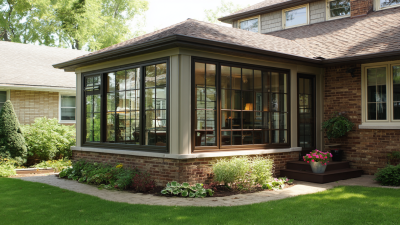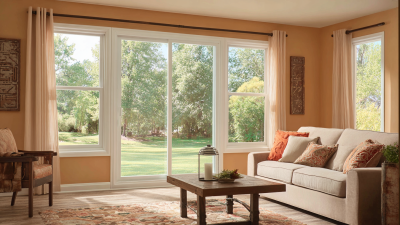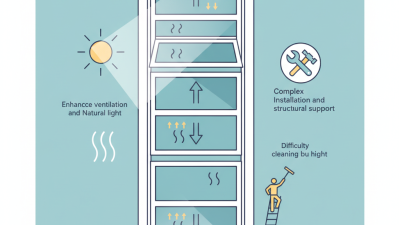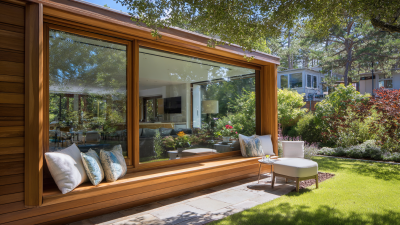
Choosing the best awning windows in China means looking beyond the frame color or advertised price. These top-hinged windows open outward, helping bring in fresh air while offering some protection from light rain. But performance depends on the details: frame material, glass, seals, hardware, and installation quality all matter.
Small details count.
Start with the building’s conditions. A coastal home may need hardware suited to damp, salty air, while an apartment facing a busy road may benefit from suitable glazing and well-fitted seals. Check the opening size, wall construction, ventilation needs, and exposure to wind before comparing products. China’s climate and building requirements vary by region, so a product that works well in one city may not be the right choice elsewhere.
Ask suppliers for clear specifications, including frame depth, glass configuration, hardware type, drainage design, and warranty terms. Confirm that the quoted dimensions match the finished opening, not just the rough measurement. Request samples or photographs of corner joints and seals where possible. Then check who will install the windows and how service issues are handled. A low price is not enough.
This guide explains how to compare awning windows by practical criteria, assess suppliers, and avoid common purchasing gaps. It also highlights questions worth asking before placing an order. No single model is best for every project. Careful checks make the decision more dependable.
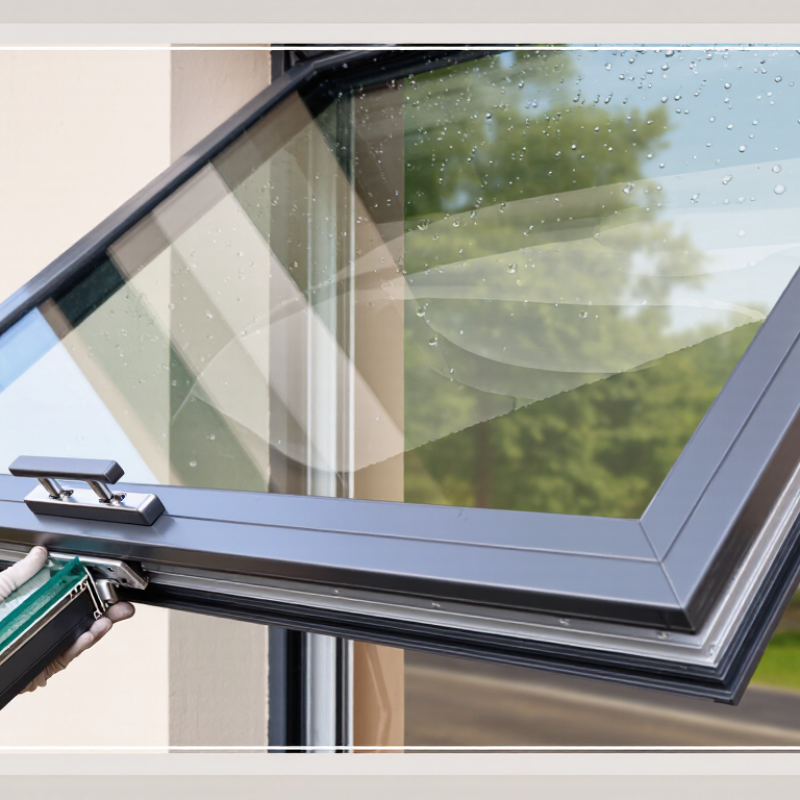
Awning windows are hinged along the top, so the sash tilts outward from the bottom. This shape can help shed light rain while allowing ventilation, but it is not a substitute for proper weatherproofing. In China, conditions vary widely, from humid coastal cities to colder inland regions. Consider the room’s exposure, local wind, and how often you will open the window.
The opening mechanism affects daily use. A crank operator can move the sash smoothly and help hold it at a chosen angle; check that it feels steady, not loose. With a friction stay, inspect how firmly the sash remains in position, especially where gusts are common. Hardware quality matters. So do the frame, seals, and drainage paths. Ask how the window is tested and installed, and confirm that insect screens will not block the opening. Test it by hand. A showroom sample may feel easy to operate, yet a large sash can be heavier at home. That detail is easy to overlook. Consider whether the handle remains reachable above a counter, and leave enough exterior clearance for the sash.
How to Choose the Best Awning Windows in China?
Assess Climate, Room Use, and Ventilation Needs
Climate should guide the window’s size, placement, and opening style. In humid southern areas, regular airflow can help rooms feel less stuffy, but it does not replace moisture control. For exposed coastal or high-rise locations, ask a qualified installer about wind loads, drainage, and suitable hardware. Rain protection matters, too. An outward-opening sash may admit air during light rain, but wind-driven rain can still reach the sill.
Room use changes what “good ventilation” means. In a kitchen, place the window where it can help release cooking heat and odors, while keeping it clear of cabinets and taps. A bedroom may need quieter hardware and an insect screen that does not restrict airflow too much. Small details matter. Measure the furniture, counter, or bed near the opening before choosing a sash size.
Ventilation depends on more than the window itself. Consider room area, ceiling height, and whether air has a clear path through the home. An awning window works best when incoming air can move toward another opening or an exhaust point. One awkward point: a window that opens widely may still provide little cross-breeze if interior doors stay shut. Check how the sash operates, how easily it can be cleaned, and whether the frame and installation suit local weather.
When comparing awning windows in China, assess the frame, glass, and tested performance as one system. Thermally broken aluminum is strong and slim, but its insulation depends on the quality of the thermal barrier. uPVC can reduce heat transfer, though frame reinforcement and local sunlight exposure matter. Timber insulates well, but needs careful moisture protection. Look beyond “double glazing”: compare glass thickness, cavity width, low-emissivity coating, and whether the sealed unit suits the project’s climate. Small details matter.
Check the declared U-factor, solar heat gain coefficient (SHGC), air leakage, water resistance, and wind-pressure rating. Lower U-factor generally means less heat transfer; the best SHGC depends on local cooling and heating needs. The U.S. Department of Energy’s Energy Saver guidance estimates that windows account for 25–30% of residential heating and cooling energy use. That figure is a useful reminder, not a prediction for every Chinese home. Ask for test reports to the applicable Chinese standards, including GB/T 7106 for air permeability, water tightness, and wind resistance. Also inspect a sample: a smooth handle is reassuring, but it cannot prove a sash will seal after years of use. Installation quality is easy to underestimate.
When comparing awning windows made in China, check the standards behind each performance claim. GB/T 8478-2020 covers building windows and doors, while GB/T 7106-2019 specifies tests for air permeability, water tightness, and wind resistance. Ask for test reports from a qualified laboratory, and confirm they match the exact window model, glass thickness, and hardware configuration you plan to buy. A report for a similar product is not enough. Small details matter. Inspect corner joints, gasket continuity, and the locking handle; these can reveal inconsistent assembly. The International Energy Agency reported that buildings use about 30% of global final energy and cause 26% of energy-related emissions. That is a useful reason to check window performance, not a guarantee that one product will cut your bills.
Supplier quality takes more than a polished showroom. Request written inspection procedures, production records, and sample checks for frame dimensions and opening operation. If possible, visit the factory and operate several finished units yourself. A sticking sash is easy to miss in photographs. I would not rely on a broad “quality warranty” claim; I have seen how vague wording leaves buyers uncertain. Ask whether the warranty covers hardware, glass seal failure, finishes, labor, and shipping, and note exclusions for coastal exposure or installation errors. Get the response time and replacement process in writing. IEA data: Buildings – Tracking Clean Energy Progress, 2023.
| Evaluation Area | What to Check | Useful Evidence or Benchmark | Buyer’s Action |
|---|---|---|---|
| Applicable standards | Confirm which product and performance standards apply to the window, project location, and intended use. | GB/T 8478-2020 covers aluminium alloy windows and doors. GB/T 7106-2019 specifies test methods for air permeability, watertightness, and wind-load resistance of external building windows and doors. GB/T standards are recommended national standards; project documents, regulations, and contracts may set applicable requirements. | Ask the supplier to identify the standards and editions used in the quotation and technical documents. Confirm applicability with the project designer or local authority. |
| Test reports | Check that reported results relate to the same window system, opening type, dimensions, glazing, and hardware being offered. | A report should identify the tested specimen, test methods, results, issuing laboratory, and report date. Test results for a different configuration may not represent the ordered product. | Request complete reports rather than a certificate image or summary. Ask the testing laboratory to verify the report if authenticity is uncertain. |
| Air, water, and wind performance | Match performance requirements to exposure, building height, local weather, and installation conditions. | GB/T 7106-2019 provides test methods for these performance categories; it does not establish one universal suitable rating for every building or location. | Have the project team define required performance levels. Compare tested results against those requirements, not against unsupported marketing claims. |
| Thermal performance | Review the complete window’s thermal performance, including frame, glazing, spacers, and seals. | GB/T 8484-2020 covers classification and test methods for the thermal insulation properties of building doors and windows. A glazing-only value is not the same as the performance of the complete window. | Request the test or calculation basis and confirm that it matches the proposed frame and glass configuration. |
| Awning-window design | Check the outward-opening, top-hinged sash, opening limit, ventilation needs, rain exposure, and access for cleaning and maintenance. | Awning windows can help limit direct rain entry when partly open, but performance depends on design, wind conditions, seals, installation, and exposure. They are not a substitute for a tested weather-resistant assembly. | Review the opening direction and clearances on drawings. Confirm safe operation and cleaning access for the actual room and building elevation. |
| Materials and construction | Specify frame material and finish, glass make-up and safety requirements, seals, drainage details, and corrosion protection where needed. | Material names alone do not establish product performance. The complete configuration and its fabrication details affect durability and weather resistance. | Put the full bill of materials and approved drawings in the purchase contract. Check that production matches the approved sample and specifications. |
| Hardware and operation | Inspect hinges, opening restrictors, locking points, handles, and their compatibility with sash size and weight. | Hardware must support the specified sash and allow reliable opening, closing, and locking. A component description alone is not proof of performance for the assembled window. | Operate a representative sample. Ask for maintenance instructions and confirm the availability of compatible replacement parts. |
| Supplier quality control | Assess production controls, incoming-material checks, dimensional inspection, assembly checks, packaging, and defect handling. | Useful records include documented inspection procedures, traceable production batches, calibration records where relevant, and corrective-action records. | Request a factory audit or a documented quality-control plan. Agree on inspection points, acceptance criteria, and how nonconforming products will be handled. |
| Installation and interfaces | Confirm who is responsible for site measurement, fixing, perimeter sealing, drainage, and coordination with the wall system. | Window performance can be affected by installation and the surrounding construction; a factory test does not by itself verify the installed assembly. | Define installation scope and tolerances in writing. Require installation instructions and inspect a completed first installation before wider rollout. |
| Warranty terms | Check the written warranty period, start date, covered parts and labor, exclusions, claim process, and remedies. | Do not assume a single standard warranty period applies to all awning windows in China. Contract terms and applicable law matter; China’s Civil Code provides remedies for non-conforming performance, but the specific remedy depends on the circumstances. | State warranty terms in the contract, including responsibility for transport, inspection, repair or replacement, and response times. Keep invoices, reports, drawings, and handover records. |
| Price and long-term value | Compare the same dimensions, glazing, hardware, finish, test evidence, installation scope, and warranty coverage. | A lower quotation may omit items such as installation, upgraded hardware, testing, or after-sales service. Price comparisons are meaningful only when scope is aligned. | Use a written, itemized specification and quotation. Record all approved changes before production begins. |
Note: Confirm current standard editions and project-specific requirements before ordering. Performance requirements should be selected for the building’s location, design, exposure, and applicable regulations.
For awning windows in China, plan around the opening, not just the product price. Measure each aperture and note nearby furniture, exterior screens, and how far the sash will project. Ask the installer to list removal, transport, sealing, hardware, and finishing separately. Small details matter. A low quote may omit repairs to the reveal or weatherproofing around the frame. Request photos of the prepared opening and completed seal, especially where wind-driven rain is common.
Compare whole-window performance, including U-factor and solar heat gain, rather than glass alone. The IEA’s 2023 Global Status Report for Buildings and Construction estimates buildings account for 34% of global energy demand and 37% of energy- and process-related CO₂ emissions. That is a sector-wide figure, not a promised saving from one window. Still, it makes careful specification worthwhile. For maintenance, check that hinges and stays are accessible, and ask how often seals and drainage paths should be inspected. Add those tasks, plus likely hardware replacement, to the lifetime cost. A neat estimate can still miss local labor or access costs; keep a contingency and compare written scopes, not just totals.