Top Double Casement Window Manufacturers in China
Selecting double casement windows for a Chinese project means looking beyond polished catalogs. Buyers need to compare frame material, glazing, hardware, air sealing, and verified performance. A slim profile can look impressive in a showroom; a loose corner seal may tell a different story after a windy winter.
The U.S. Department of Energy’s Energy Saver guidance reports that heat gain and heat loss through windows account for about 25%–30% of residential heating and cooling energy use. That figure is not a product rating, and local climate, installation quality, and building design all matter. Still, it explains why window specifications deserve careful review. Lawrence Berkeley National Laboratory researcher Dariush Arasteh has studied whole-window performance, including glazing and frame effects. A practical paraphrase of that system-level approach is: “Assess the complete window, not the frame alone.” This is a paraphrase, not a verified verbatim quotation.
This guide examines manufacturers in China through criteria buyers can check: documented test results, material options, customization capacity, production consistency, and export experience. Ask for reports tied to the actual configuration, not just a similar-looking model. Check corner joints. Inspect hardware samples. Confirm how packaging protects the glass during transit. These steps cannot remove every risk, and supplier claims still need independent verification. But they make comparisons more concrete. The strongest choice is not automatically the cheapest or the most elaborate; it is the product whose evidence fits the project.
Double Casement Windows: Design, Operation, and Common Applications
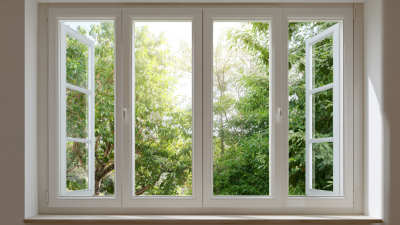
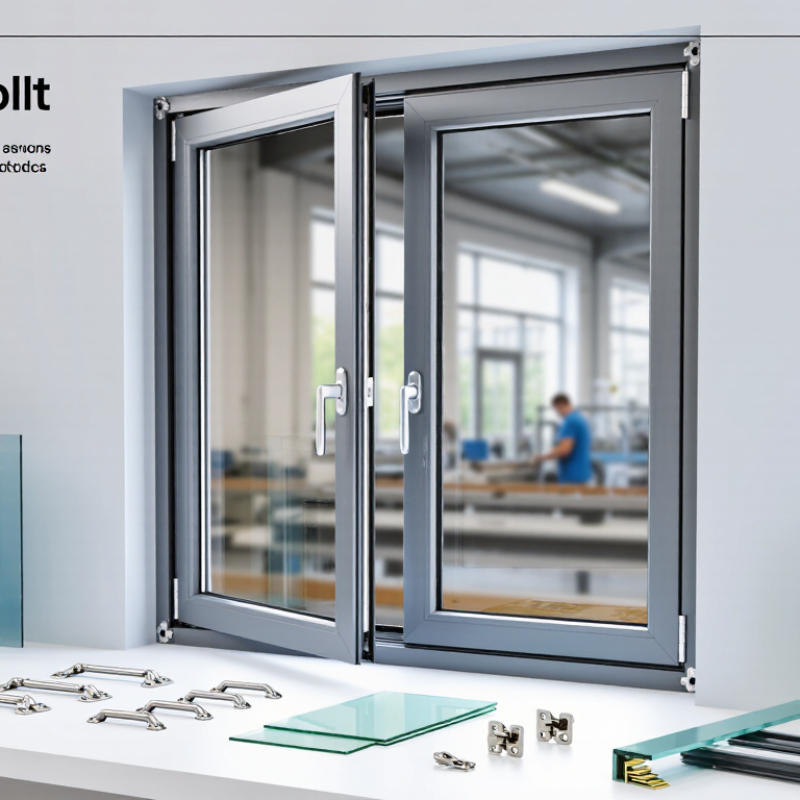
A double casement window pairs two hinged sashes within one frame, usually opening outward from the center. This arrangement creates a broad, unobstructed opening when both sides are fully open. Closed, the meeting stiles and perimeter seals help limit drafts, though fit and installation matter as much as the profile. Small gaps show quickly.
Each sash turns on hinges and is operated by a handle, with locking points drawing it against the frame. Many units allow one side to open independently, which is useful for controlled ventilation. Opening direction, hinge strength, sash weight, and hardware should match the wall layout and local wind exposure. That matters. On upper floors, opening limits or suitable safety hardware may be appropriate, depending on project requirements.
Paired casements suit bedrooms, living rooms, kitchens, and compact offices where occupants want fresh air and a clear view. They work well beside a garden or balcony, but outward-swinging sashes need clearance from walkways, screens, and nearby obstacles. For wider spans, mullions and frame stiffness deserve careful review; bigger glass is not automatically better. A slightly awkward point: both sashes need regular cleaning and hardware checks, and the center meeting area can collect dust. Still, simple access helps.
How China’s Double Casement Window Industry Is Organized
China’s double casement window industry is organized around a chain of specialized suppliers and fabricators. Extrusion plants produce aluminum or uPVC profiles, while separate firms supply hinges, handles, seals, and glazing. Window manufacturers combine these parts, cut and assemble frames, then fit the glass and hardware. Some factories manage most steps in-house; others rely on nearby partners. The picture is not perfectly tidy. A supplier may describe itself as a manufacturer even when key components come from elsewhere.
Production often clusters near building-material and export hubs, where access to glass, packaging, and transport can reduce lead times. Still, location alone says little about consistency. Ask how the factory controls frame dimensions, corner joints, drainage slots, and sash alignment. These details affect whether both sashes open smoothly and close against the seals. Request drawings, material specifications, and inspection records for the exact configuration being quoted. Check how samples compare with production units, too. Small differences matter. One overlooked detail is replacement hardware: compatible parts may be harder to source years later. Buyers should verify responsibilities across the supply chain, rather than assuming one contact controls every component.
Criteria for Evaluating Double Casement Window Manufacturers
When evaluating double casement window manufacturers in China, look beyond catalogue photos. Ask for test reports that match the actual frame, glass, hardware, and opening size you plan to order. Air leakage, water penetration, and wind resistance can change with configuration. A report for a smaller sample may not represent a larger window. Check the test date and issuing laboratory, and request clarification when details are missing. That matters.
Inspect the product details closely. Are the corner joints neat? Do the two sashes meet evenly, and do the locking points engage without force? Ask how the manufacturer controls seal placement, drainage paths, and frame dimensions during production. A showroom sample can look excellent while batch consistency remains unproven. Request photos or inspection records from recent production, not just promotional images. Also confirm hardware materials, finish options, packaging, lead times, and warranty coverage in writing. Clear answers are useful; vague promises are not. I would still allow time for a third-party inspection, especially on a first order. It adds cost, and it may feel cautious, but correcting a misaligned sash after shipment is harder. Check how the supplier handles replacement parts and technical questions after delivery.
Leading Double Casement Window Manufacturers in China
Leading Double Casement Window Manufacturers in China are best assessed by more than appearance or quoted price. Compare frame materials, corner-joint quality, hardware options, and documented air, water, and structural test results. Ask how production tolerances are checked and whether finished units receive inspection before packing. A clear answer matters. Sample windows can show finish and operation, but they cannot prove that every production batch will match.
Tips: Request drawings with opening dimensions, glass specifications, and hardware details. Confirm packaging and delivery requirements early. Keep a written record of agreed tolerances.
For practical evaluation, test both sashes through several opening and closing cycles. Check that handles turn smoothly, meeting rails align, and weather seals sit evenly without visible gaps. Ask about replacement parts and installation guidance, since these affect long-term service as much as factory quality. One detail is easy to overlook: local climate and exposure can change suitable glass and seal choices. No checklist catches everything, so review a sample installation and note what feels awkward before placing a larger order.
Double Casement Windows: Typical Frame Material Thermal Conductivity
A material reference for comparing frame options from window manufacturers in China. Lower thermal conductivity generally means less heat transfer through the frame. Values are approximate and vary by material grade and composition; they are not manufacturer-specific test results.
Comparing Manufacturers by Materials, Certifications, and Export Capabilities
When comparing double casement window manufacturers in China, look closely at the materials behind the quoted price. Ask whether frames use aluminum, uPVC, timber, or a combination, and request the profile thickness and hardware specifications. For coastal projects, finish quality and corrosion-resistant fittings matter. For colder regions, check glazing options and the stated thermal performance. Details count.
Certifications can help, but only when they match the product being purchased. Request current test reports and confirm the tested window’s size, glass, frame, and opening configuration. A certificate for one model may not cover another. There is a catch: documents can look convincing while leaving project-specific questions unanswered. Ask the manufacturer to explain them plainly.
Export capability shows up in practical details. Can the supplier prepare clear packing lists, protect corner joints, and share realistic production and shipping schedules? Request photographs of export packaging and references for comparable destinations, where available. Communication matters, too. A quick reply is useful, but a precise answer about lead times or replacement parts is better. I would still verify every claim against a sample order; paperwork and production quality do not always line up perfectly.