
What Is the Best Type of Fire Rated MDF in 2026?

Choosing the best Fire Rated Mdf in 2026 is not simply a matter of picking the panel with the highest claimed rating. Products vary in thickness, core composition, surface finish, and verified performance. More importantly, a board’s test result does not automatically establish the fire performance of a finished wall, door, or cabinet. The complete construction, including joints and fixings, matters.

A reliable comparison begins with the intended use. Check the product’s current technical data, test documentation, and applicable classification for the project. Confirm that the stated rating matches the required assembly and installation conditions. Ask how the board behaves after cutting, drilling, or applying a decorative finish; these details can affect the finished system. Also consider moisture exposure, machining quality, emissions information, and whether the supplier can provide consistent documentation. That matters.

In this guide, we’ll compare common Fire Rated Mdf options by performance, practical handling, and suitability for different interiors. We’ll also explain which claims deserve a closer look and what questions to ask before ordering. A specification sheet can look reassuring. Still, I would not rely on a product label alone. Exact requirements differ by application, and product ranges can change, so verify the latest documents with the manufacturer and a qualified building professional. The right choice is the one supported by evidence and suited to the real installation—not merely the one with the boldest headline.
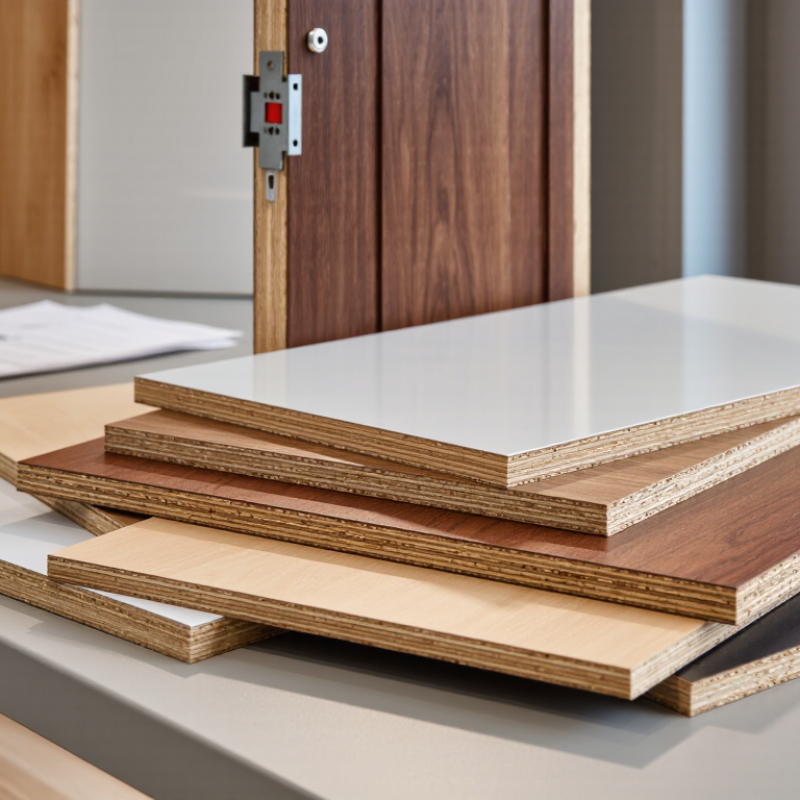
What Is the Best Type of Fire Rated MDF in 2026?

What Fire-Rated MDF Is and How It Resists Fire

Fire-rated MDF is a medium-density fibreboard made with fire-retardant additives. These additives help slow ignition and flame spread compared with standard MDF. They do not make the board non-combustible. It can still burn, and smoke may still be produced.

The treatment works through the board’s composition, helping it resist heat and delay combustion. In a fire test, performance depends on factors such as board thickness and the test method. A rating applies to the tested product and conditions, not automatically to every wall or cabinet made from it. Not fireproof.

On site, a cut edge or drilled hole exposes the board’s core. Careful installation matters, but coatings or neat workmanship cannot replace documented test results. Check the product’s declared classification and intended use against local project requirements. A label alone is not the whole answer. I would also confirm whether the rating applies to the board by itself or to a complete tested assembly. That distinction is easy to miss, and I have seen it cause confusion during specification reviews.

Which Fire-Rated MDF Grades Are Available in 2026?

In 2026, fire-rated MDF is sold in several grades, but names vary by manufacturer and market. The common label is fire-retardant MDF, often shortened to FR MDF. Some products are tested to achieve Euroclass B or C ratings, with smoke and droplet classifications such as s1 or d0 shown separately. These ratings describe tested performance, not a promise that a board will never burn.

Moisture-resistant fire-retardant MDF is also available for interiors where humidity may be higher, such as utility rooms. It is not automatically suitable for wet areas. In the United States, buyers may see a Class A flame-spread result under ASTM E84; that system is not directly interchangeable with Euroclass ratings. Check the product’s test report, stated thickness, and intended installation. Details matter.

A 12 mm board and an 18 mm board may not share the same classification. Paint, veneer, joints, and fixing methods can also affect the tested build-up. The naming is messy, and a sales label alone can be misleading. Look for documentation covering the exact board and application, then confirm that the specification matches local project requirements.

What Is the Best Type of Fire-Rated MDF in 2026? — Which Fire-Rated MDF Grades Are Available?

The best choice is usually fire-retardant MDF with a documented reaction-to-fire classification that matches the project’s local code, installation method, and intended environment. Grade names and available classifications vary by market and manufacturer, so check the current technical datasheet and certification for the exact panel.

MDF grade or category Typical characteristics Fire-performance evidence to check Suitable applications Key selection considerations
Standard fire-retardant MDF Designed to reduce flame spread compared with standard MDF. Often sold as FR MDF or fire-retardant MDF; these names alone do not establish a classification. Look for a valid classification under the relevant local system, such as EN 13501-1 in Europe or a specified test report for the project jurisdiction. Confirm the classification applies to the supplied thickness and installation conditions. Interior wall linings, displays, joinery, and decorative panels where a specified reaction-to-fire performance is required. A practical starting point for many interior projects, provided its documented classification meets the specification.
Low-emission fire-retardant MDF Combines fire-retardant properties with limits on formaldehyde emissions. Emission class and fire classification are separate product properties. Check both the fire-performance documentation and the applicable emissions declaration or test evidence. Do not assume one certificate covers both. Schools, offices, homes, and other occupied interiors where both fire performance and indoor-air requirements matter. Often a strong all-round option when the project specification includes both fire and emissions requirements.
Moisture-resistant fire-retardant MDF Combines fire-retardant properties with improved performance in humid conditions. Moisture-resistant does not mean waterproof or suitable for prolonged wetting. Verify the declared service conditions, fire classification, and whether the fire evidence covers the intended finish and installation. Interior areas subject to occasional humidity, such as some commercial interiors or protected service areas. Choose only where humidity resistance is needed; confirm that both properties apply to the exact board grade.
Decorative-faced fire-retardant MDF Fire-retardant MDF supplied with a decorative surface or specified for a coating system. The face material or finish can affect fire performance. Check whether the classification covers the finished panel, including the stated veneer, laminate, paint, or coating—not just the bare core. Visible wall panels, fitted furniture, reception areas, and other applications where appearance is important. Use the tested or approved finish combination. Substituting a surface treatment may invalidate the documented performance.
Fire-retardant MDF for a specified end use A panel selected and documented for a defined assembly or application, such as a wall lining or ceiling system. Review the full test or classification report, including substrate, air gap, fixing method, joints, orientation, thickness, and any limitations. Projects with a detailed fire strategy or a prescribed wall, ceiling, or lining build-up. Best where compliance depends on the complete installed assembly rather than the board in isolation.
Standard MDF (non-FR) General-purpose MDF without a specifically declared fire-retardant grade. Do not treat ordinary MDF as fire-retardant. Use only if the project specification and applicable regulations permit it. General interior uses where no enhanced fire-performance requirement applies. Not a substitute for a specified FR grade just because it has a decorative finish or is used indoors.

Important: Reaction-to-fire classifications (for example, Euroclasses under EN 13501-1) describe how a product contributes to fire growth; they are not the same as a fire-resistance rating for a wall, door, or complete assembly. Classification can depend on thickness, mounting, substrate, air gap, joints, and surface finish. Confirm the required standard and approved installation with the project designer or local authority before ordering.

How Fire Ratings and Certifications Differ Across MDF Products

What Is the Best Type of Fire Rated MDF in 2026?

How Fire Ratings and Certifications Differ Across MDF Products

There is no single fire-rated MDF that suits every project. The right choice depends on the required classification, where the board will be installed, and how it will be finished. A panel’s fire rating describes tested performance under specific conditions, not a guarantee that it will prevent a fire. That distinction matters.

Check the product’s technical documents for its reaction-to-fire classification, test standard, board thickness, and intended use. Some ratings describe how a material contributes to flame spread or smoke production. Fire-resistance periods, by contrast, usually apply to complete building elements, such as a tested wall assembly—not a loose MDF sheet. Not interchangeable. A coating, veneer, edge treatment, or change in thickness may affect performance, so confirm that the proposed specification matches the tested configuration.

Certifications also differ by region and testing scheme. Look for a current certificate or test report that identifies the exact product and conditions assessed. Ask whether the evidence covers the installed finish and fixing method, too. A small sample can look reassuring, but appearance tells you little about fire performance. In practice, project teams sometimes assume that “fire-rated” means one universal level; it does not. If documentation leaves a detail unclear, request written clarification from the supplier or a qualified fire professional before specifying the board.

What Factors Determine the Best Fire-Rated MDF for Each Project?

What Is the Best Type of Fire-Rated MDF in 2026?

What Factors Determine the Best Fire-Rated MDF for Each Project?

The best panel depends on where it will be installed, how it will be finished, and which fire classification the project requires. A wall lining in a public corridor may need different evidence from a cabinet in a private office. Check the product’s test report, thickness, density, and permitted uses—not just the words “fire-rated” on a datasheet. There is no universal winner.

For a useful benchmark, the 2021 International Building Code classifies Class A surface-burning results as a flame-spread index of 0–25 and a smoke-developed index of up to 450, using ASTM E84. These figures describe tested surface performance; they do not establish a fire-resistance rating for a complete wall or door assembly. Ask whether the tested panel matches your intended thickness, finish, and installation. A coating, cut edge, or untested fixing detail can change the real-world result.

Tips: Confirm local requirements and request the full test documentation before specifying. Check how machining affects exposed edges. Keep a sample beside the project’s finish and inspect it under site lighting. I would also verify installer guidance early; that step is easy to overlook.

How to Verify and Specify Fire-Rated MDF for Installation

What Is the Best Type of Fire Rated MDF in 2026?

There is no single best fire-rated MDF for every installation. Choose a panel with fire-performance evidence that matches its intended use, thickness, and mounting method. Ask for the product’s classification report or supporting test documentation, then check that the stated scope covers your project. A rating for one board thickness may not apply to another. Confirm requirements with the project’s fire consultant or building-control professional.

Specify the details that affect performance: panel thickness, supporting structure, joint design, fixings, edge treatment, and any surface finish. Service openings and unsealed gaps can undermine an otherwise suitable assembly. Keep the documentation with the installation records, and compare delivered panel labels with the approved specification. Small discrepancies matter. I still find this step easy to rush when schedules tighten.

Tips: Photograph labels before installation. Keep cut edges and offcuts identifiable, and record any site changes. Check that installers follow the tested assembly details; do not assume ordinary MDF installation methods are interchangeable. If evidence is unclear, pause and ask the supplier or project specialist for written clarification.