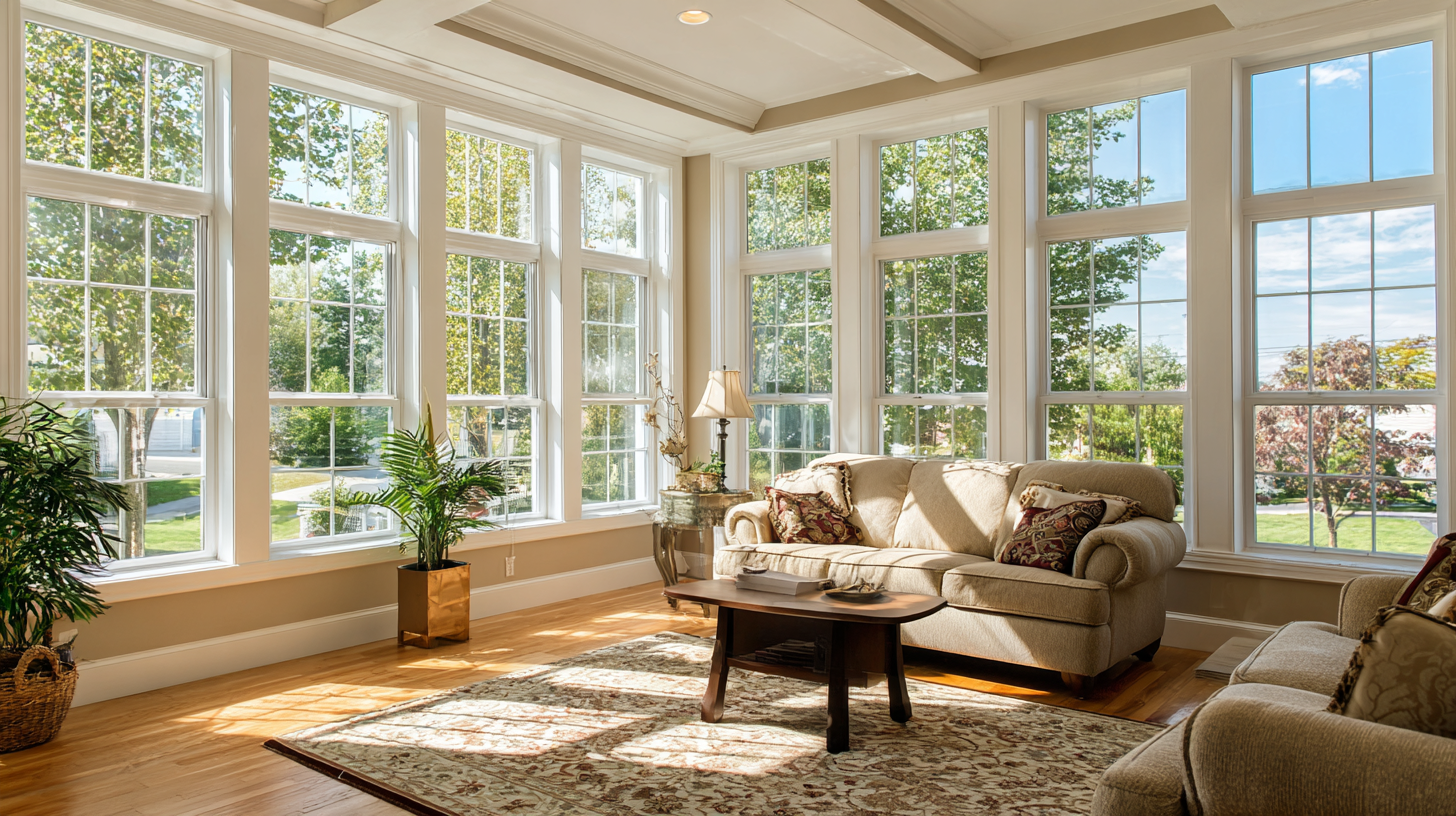
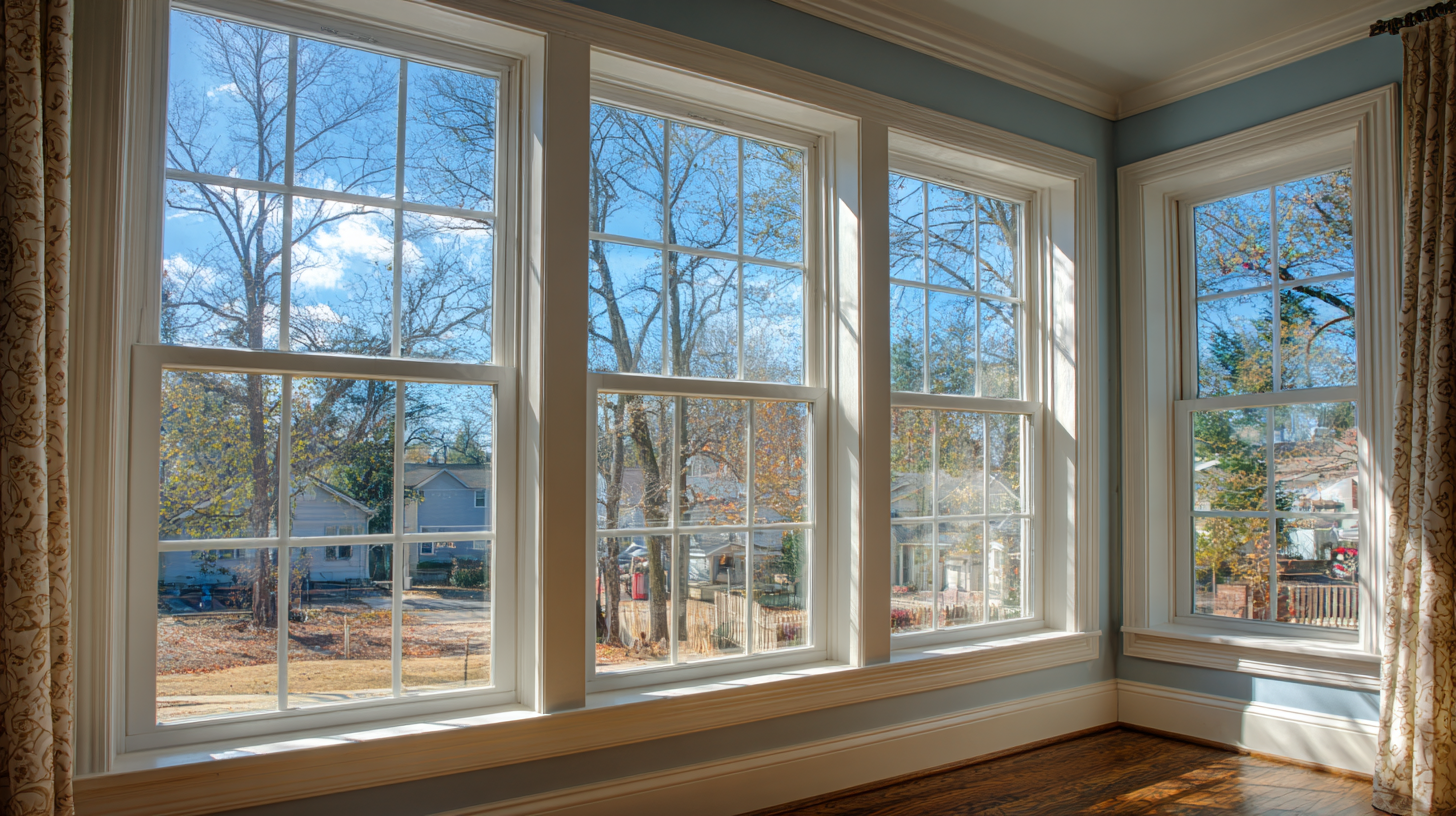
Understanding the Benefits of Vinyl Windows: A Comprehensive Guide for Homeowners
Vinyl windows have gained significant popularity among homeowners due to their remarkable
energy efficiency,
durability, and
low maintenance requirements.
According to the National Association of Realtors, approximately
67% of homeowners report a preference for vinyl windows over other materials,
citing their cost-effectiveness and
aesthetic versatility as key factors.
Moreover, a study by the Efficient Windows Collaborative indicates that homes installed with vinyl windows
can save up to 20% on heating and cooling costs
compared to homes with older, less efficient window systems.
This comprehensive guide aims to explore the myriad benefits of vinyl windows,
providing homeowners with insights into their features, advantages,
and the long-term savings associated with their installation.
Emphasizing both practicality and style, vinyl windows represent a
smart choice
for energy-conscious and design-oriented homeowners alike.
How to Choose the Right Vinyl Windows for Your Home
Choosing the right vinyl windows for your home involves several important factors that can significantly impact
energy efficiency, aesthetics, and overall value. First, consider the style of your home. Vinyl windows come in various designs,
including double-hung, casement, and picture windows, which should complement your home's architectural style.
Assessing the color and finish options is also crucial; many manufacturers offer a range of colors and textures that can enhance your home's curb appeal.
Energy efficiency is another key factor when selecting vinyl windows. Look for windows that have the Energy Star certification, as they are designed to meet strict energy-saving guidelines.
Features such as double or triple glazing and low-E coatings can minimize heat transfer, ensuring a comfortable indoor environment.
Finally, don’t forget to check the manufacturer’s warranty and installation options, as a solid warranty can provide peace of mind and protection for your investment.
Taking the time to carefully evaluate these elements will help you choose the ideal vinyl windows that suit both your aesthetic preferences and your home’s energy needs.
How to Evaluate the Energy Efficiency of Vinyl Windows
When evaluating the energy efficiency of vinyl windows, several key factors come into play. High-performance vinyl windows are designed with insulating properties that can significantly reduce heat transfer. According to the latest industry data, replacing old windows with energy-efficient models can decrease energy consumption by up to 30%, leading to substantial savings on utility bills. Many homeowners are now looking for windows that not only meet but exceed Energy Star requirements, showcasing a commitment to energy efficiency as a long-term investment.
The advancements in window technology have led to options that incorporate features such as multi-chambered frames and low-emissivity (Low-E) glass coatings. These innovations help maintain a consistent indoor temperature, making homes more comfortable year-round. A recent report indicated that investing in energy-efficient windows could bring a return on investment of approximately 70-80% at resale, underscoring the financial benefits alongside energy savings. As homeowners prioritize sustainability and cost-effectiveness, the demand for high-performance vinyl windows continues to rise, with companies expanding their product lines to meet this need.
Understanding the Benefits of Vinyl Windows: A Comprehensive Guide for Homeowners
| Feature |
Description |
Energy Efficiency Rating (U-value) |
Cost (Estimated) |
| Durability |
Vinyl windows are resistant to fading, scratching, and warping. |
0.30 - 0.40 |
$200 - $600 per window |
| Low Maintenance |
Cleaning requires only soap and water, no painting required. |
0.25 - 0.30 |
$250 - $700 per window |
| Energy Efficiency |
Vinyl windows can significantly reduce heating and cooling costs. |
0.20 - 0.25 |
$300 - $800 per window |
| Variety of Styles |
Available in various styles and colors to match your home. |
0.28 - 0.32 |
$250 - $700 per window |
| Sound Insulation |
Helps reduce noise from outside for a quieter interior. |
0.24 - 0.30 |
$300 - $900 per window |
How to Properly Maintain and Clean Your Vinyl Windows
 Maintaining and cleaning vinyl windows is essential for preserving their functionality and appearance. Regular upkeep not only enhances the aesthetic appeal of your home but also extends the lifespan of your windows.
Start by inspecting the frames and sills for dirt, debris, or any signs of damage. Use a soft brush or cloth to sweep away loose particles, taking care not to scratch the vinyl surface.
Maintaining and cleaning vinyl windows is essential for preserving their functionality and appearance. Regular upkeep not only enhances the aesthetic appeal of your home but also extends the lifespan of your windows.
Start by inspecting the frames and sills for dirt, debris, or any signs of damage. Use a soft brush or cloth to sweep away loose particles, taking care not to scratch the vinyl surface.
For routine cleaning, mix a mild soap solution with warm water. Apply the solution using a sponge or soft cloth, ensuring you cover all surfaces, including the tracks and sashes.
Avoid using abrasive cleaners or tools, as these can harm the vinyl. Rinse thoroughly with clean water to remove any soap residue. If your windows have tough stains, a vinegar-water solution can effectively cut through grime.
Finally, check the window seals and hardware regularly, tightening any loose screws and lubricating moving parts to maintain their optimal function.
How to Compare Costs: Vinyl Windows vs. Other Types
When considering new windows for your home, comparing costs between vinyl windows and other types is crucial. According to the 2021 Report on Replacement Market Opportunities by the Window & Door Manufacturers Association, vinyl windows typically cost between $300 and $800 per window, making them a competitive option compared to wood or fiberglass alternatives, which can range from $800 to $2,000 each. Homeowners can save significantly on both initial purchases and long-term energy costs since vinyl windows offer excellent insulation and energy efficiency.
Tips: When comparing vinyl to wood or aluminum frames, always factor in maintenance costs. Vinyl windows require minimal upkeep—just occasional cleaning—while wood windows need regular painting or staining to prevent decay. Additionally, consider the environmental impact; many vinyl windows are now made from recycled materials, which can contribute to a more sustainable home.
Another point of comparison is longevity. A study by the National Association of Home Builders indicates that vinyl windows can last over 20 years with proper care, while wood windows may need to be replaced after 10-15 years due to deterioration. Thus, investing in vinyl can provide homeowners with long-term savings and peace of mind in their choice of materials.
How to Maximize Natural Light with Vinyl Window Designs
Maximizing natural light in your home not only enhances aesthetics but also promotes well-being. Vinyl windows, known for their energy efficiency and durability, are an excellent choice for homeowners looking to brighten their spaces. According to a report from the National Fenestration Rating Council (NFRC), high-performance vinyl windows can reduce heat loss by up to 40%, ensuring that homes remain comfortable while allowing abundant sunlight to flood in.
When selecting vinyl window designs, larger panes of glass and strategically placed windows can significantly increase natural light. A study by the U.S. Department of Energy suggests that well-designed windows can improve daylighting by 30-50%, reducing the reliance on artificial lighting during daytime hours. Opting for designs such as sliding or casement windows not only creates a seamless transition between indoor and outdoor spaces but also maximizes the use of daylight. Homeowners can achieve an airy atmosphere, elevate their home's overall design, and reduce energy costs with these practical choices.
Understanding the Benefits of Vinyl Windows: Maximizing Natural Light
This chart illustrates the average percentage of natural light achieved by different window designs made of vinyl. The data reflects how various features can enhance the luminosity in homes.